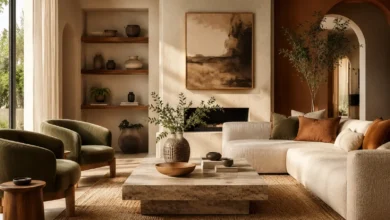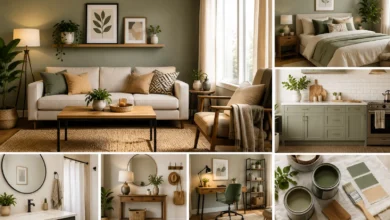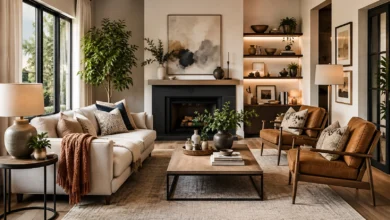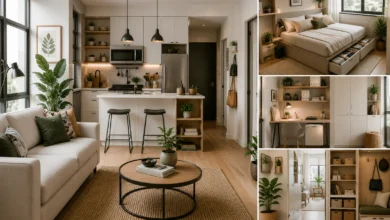
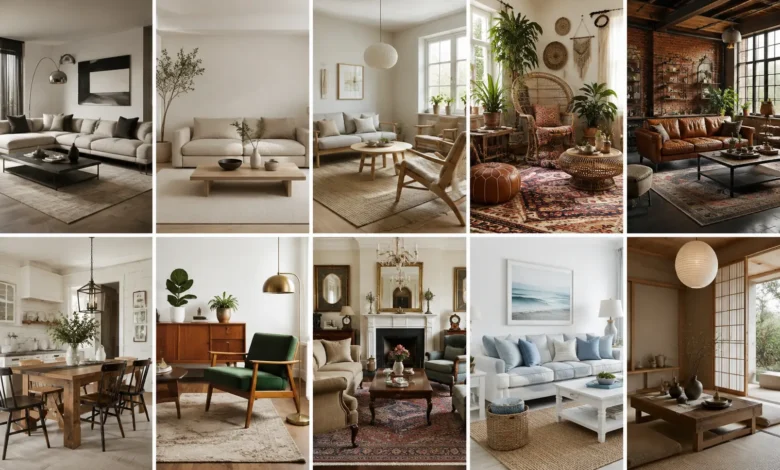
Scroll through enough home inspiration and you’ll notice the same words repeating: modern, minimalist, boho, farmhouse, industrial. They all sound appealing — but what do they actually mean, and how do you know which one fits your home, your budget, and the way you actually live?
Understanding the most popular interior design styles isn’t about memorizing trends. It’s about giving yourself a shared vocabulary so you can shop with purpose instead of impulse, communicate clearly with a designer or contractor, and stop second-guessing every purchase. This guide breaks down the 10 styles that show up again and again in real homes — what defines each one, which rooms they work best in, roughly what they cost to pull off, and practical tips for getting the look right the first time.
You don’t have to commit to just one. In fact, most well-designed homes blend two styles — a primary “home base” that drives 70% of decisions, and a secondary style that adds personality and keeps a room from feeling like a showroom.
Why Knowing Your Interior Design Style Actually Matters
Before diving into the styles themselves, it’s worth understanding why this matters beyond aesthetics. A defined style acts as a filter. Without one, every furniture store or online shop becomes an overwhelming sea of options, and it’s easy to end up with a room full of pieces that individually look fine but collectively feel disconnected.
With a clear style direction, decisions get faster and cheaper. You know what wood tone to look for, what shapes to avoid, and what a “good deal” actually looks like for your aesthetic. This is also the foundation of good interior design generally — as covered in our complete guide to interior design, style is one of the first decisions that should inform everything downstream, from your color palette to your furniture layout.
Here’s a quick overview of all 10 styles before we go deeper into each one.
| Style | Best For | Budget | Key Materials | Difficulty |
|---|---|---|---|---|
| Modern | Living rooms, offices | Medium–High | Metal, glass, smooth wood | Beginner-friendly |
| Minimalist | Bedrooms, studios | Low–High | Neutral textiles, hidden storage | Intermediate |
| Scandinavian | Any room | Low–Medium | Light woods, wool, linen | Beginner-friendly |
| Bohemian | Bedrooms, living rooms | Low | Rattan, macramé, layered textiles | Beginner-friendly |
| Industrial | Lofts, home offices | Medium | Exposed brick, metal, concrete | Intermediate |
| Farmhouse | Kitchens, living rooms | Medium | Shiplap, reclaimed wood, cotton | Beginner-friendly |
| Mid-Century Modern | Living rooms, offices | Medium | Walnut, teak, tapered legs | Intermediate |
| Traditional | Formal living, dining | High | Rich fabrics, antiques, detailed trim | Advanced |
| Coastal | Living rooms, bathrooms | Medium | Linen, driftwood, rattan | Intermediate |
| Japandi | Bedrooms, bathrooms | Medium | Natural wood, stone, ceramic | Intermediate |
1. Modern Interior Design
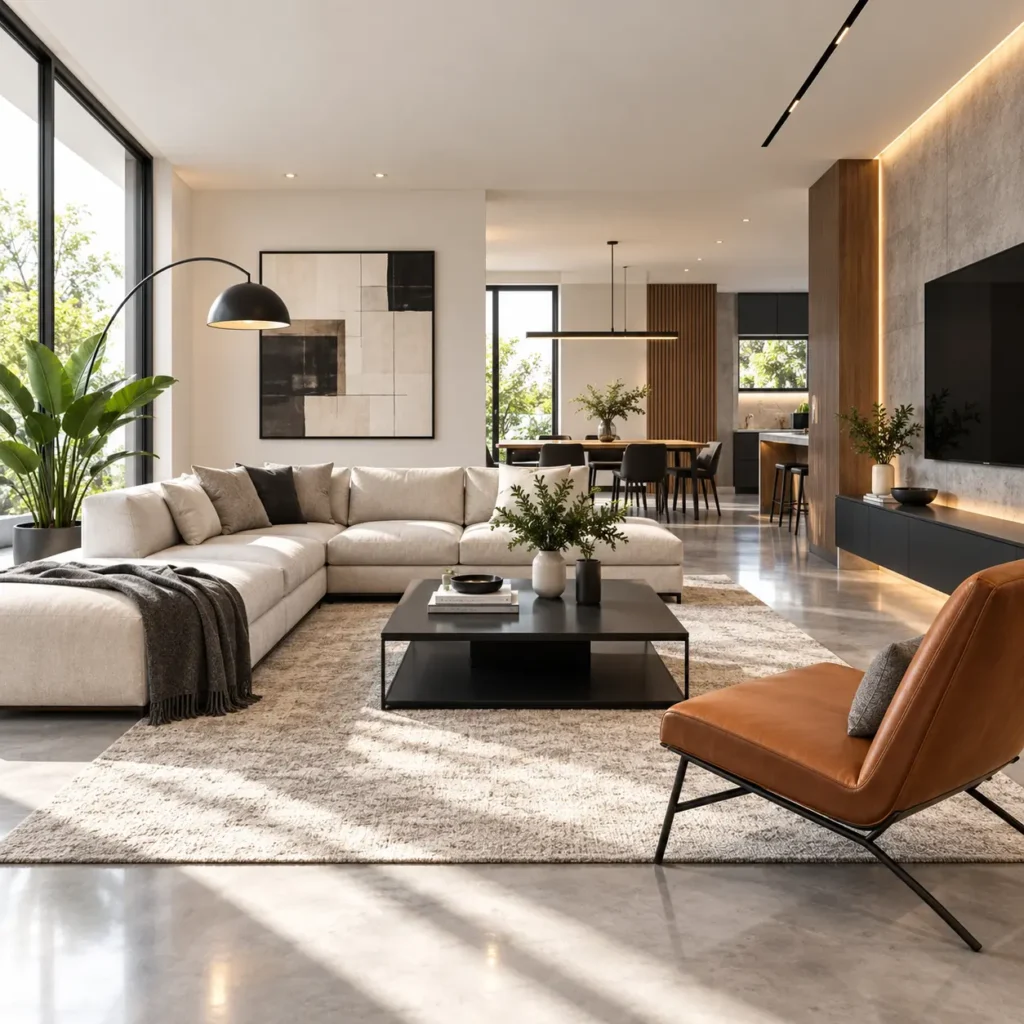
Modern interior design is often confused with “contemporary,” but the two aren’t quite the same. Modern design refers specifically to a design movement rooted in the early-to-mid 20th century, characterized by clean lines, minimal ornamentation, and an emphasis on function over decoration. Contemporary design, by contrast, simply means “whatever is current right now.”
Key elements: Straight lines, open floor plans, a neutral base palette (white, black, gray) punctuated by one or two bold accent colors, materials like glass, steel, and smooth wood, and furniture with exposed legs rather than skirted bases.
Where it works best: Modern design shines in living rooms, home offices, and open-concept spaces where clean sightlines matter. It’s less forgiving in smaller, chopped-up floor plans, since the style depends on visual breathing room.
Tips to pull it off:
- Choose furniture with visible legs to keep the room feeling light and open
- Limit your palette to two or three colors total, including neutrals
- Add one statement piece of abstract art as a focal point rather than a gallery wall
- Avoid heavy patterns — modern design relies on texture and form instead
Modern design pairs naturally with careful color theory — since the palette is so restrained, getting the undertones right matters even more than in busier styles.
2. Minimalist Interior Design
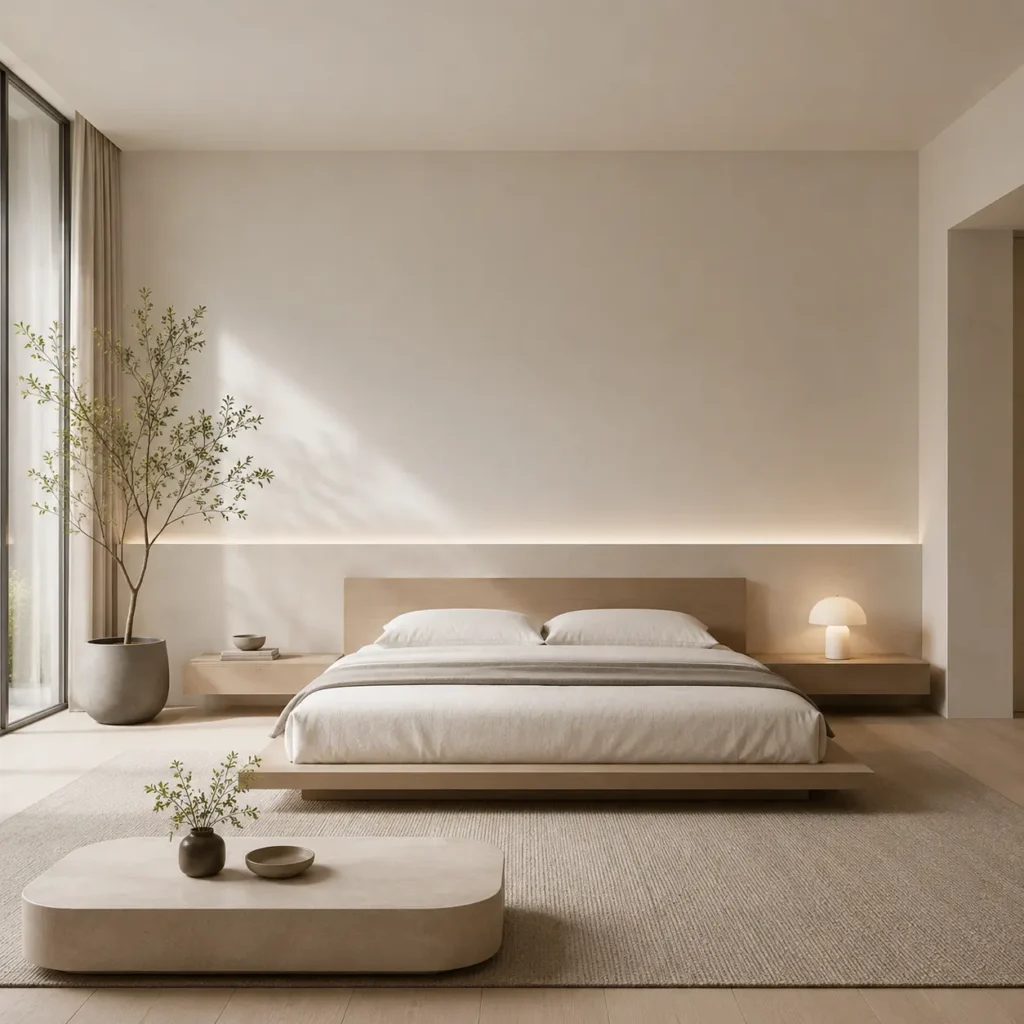
Minimalist design takes the “less is more” philosophy of modern design and pushes it further. Where modern design still allows for statement pieces and pops of color, minimalism strips a room down to only what’s functionally and emotionally necessary.
Key elements: A near-monochromatic palette, hidden or built-in storage, negative space treated as a design element in its own right, and furniture chosen for both form and function — nothing purely decorative.
Where it works best: Bedrooms and studio apartments benefit enormously from minimalist principles, since the style naturally makes small spaces feel calmer and larger. It’s also a strong choice for anyone who finds clutter genuinely stressful, which research in environmental psychology links to elevated cortisol and reduced focus.
Tips to pull it off:
- Edit ruthlessly — for every new item, consider removing one
- Invest in a few higher-quality pieces rather than many inexpensive ones
- Keep countertops and surfaces at roughly 70% capacity for visual breathing room
- Use texture (a wool throw, a wood grain) to keep an all-neutral room from feeling cold
If you’re working with a smaller footprint, minimalism pairs especially well with the strategies in our guide to small space interior design.
3. Scandinavian Interior Design
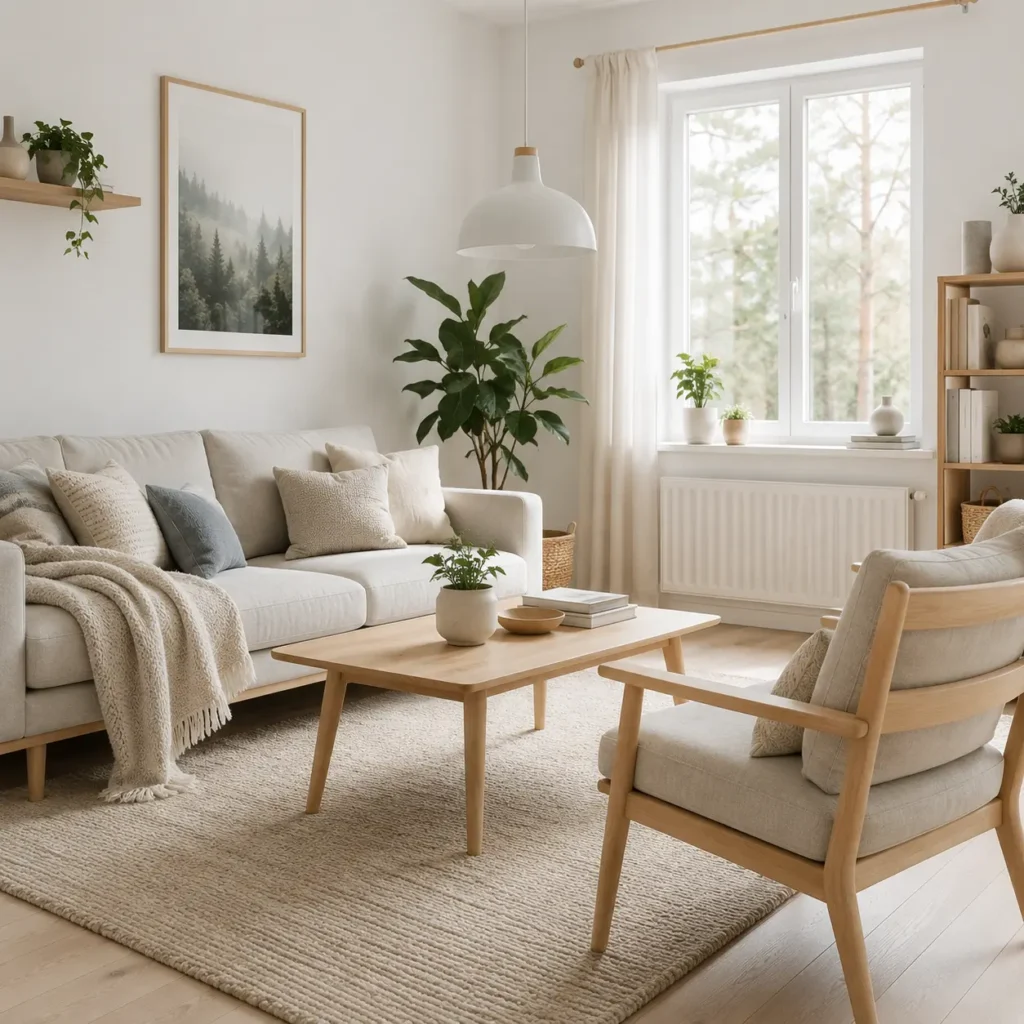
Scandinavian design emerged from Nordic countries where long, dark winters made maximizing natural light and creating a sense of coziness — what Danish culture calls hygge — a practical necessity, not just an aesthetic choice. It’s one of the most beginner-friendly and enduringly popular interior design styles, largely because it’s genuinely livable.
Key elements: Light wood tones (particularly ash, birch, and pine), a soft white-and-neutral base palette, natural textiles like wool and linen, and a balance of minimalism with warmth — this isn’t stark minimalism, but a softer, cozier version of it.
Where it works best: Scandinavian design adapts well to almost any room, but it’s especially popular in bedrooms and living rooms where the goal is comfort as much as style.
Tips to pull it off:
- Prioritize natural light — sheer curtains over heavy drapes, mirrors to bounce light around
- Layer textures generously: a chunky knit throw, a sheepskin rug, linen pillow covers
- Stick to light wood furniture rather than dark stained pieces
- Add greenery — Scandinavian interiors nearly always include plants for a natural counterpoint to the neutral palette
4. Bohemian (Boho) Interior Design
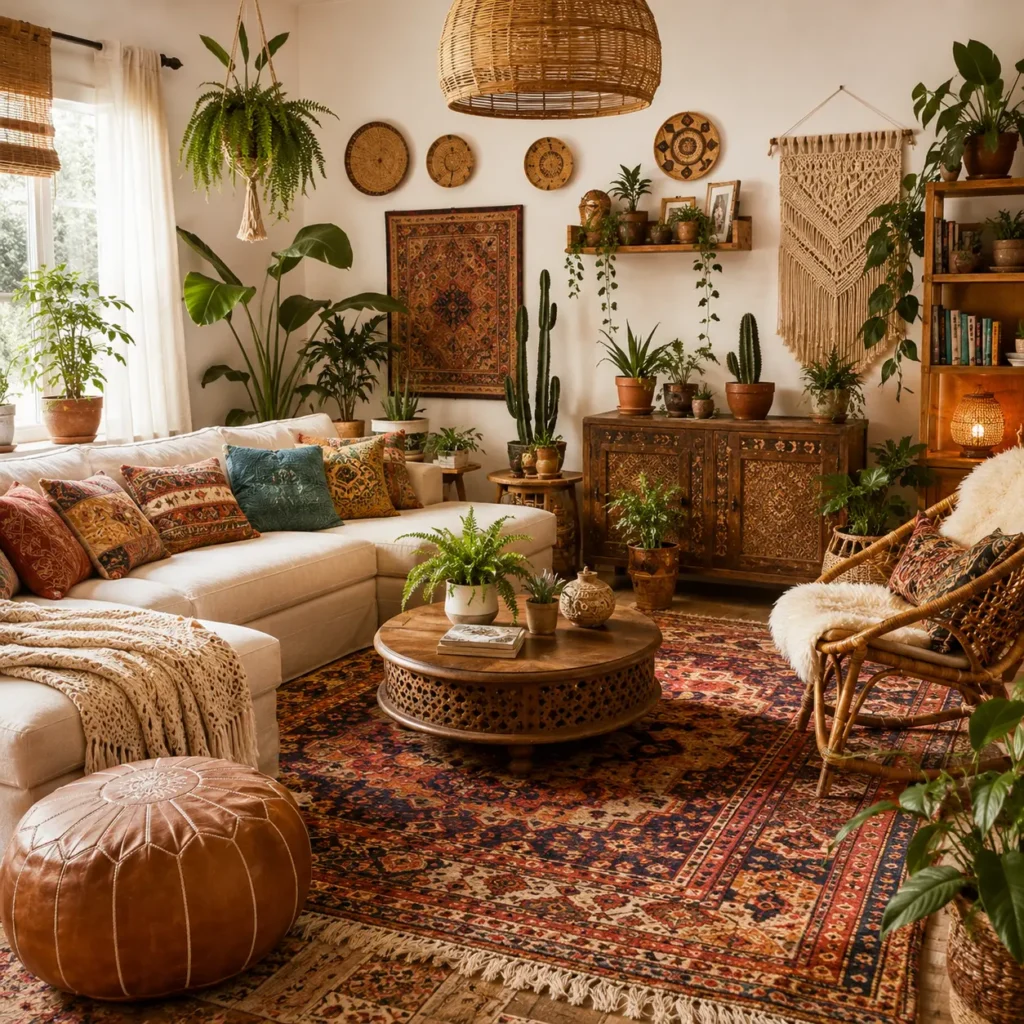
Bohemian design is the most maximalist and personal entry on this list — and one of the most forgiving for beginners, since there’s no single “correct” way to do it. It draws on global influences, layered textiles, and an eclectic, collected-over-time feel.
Key elements: Warm, earthy colors mixed with jewel tones, natural materials like rattan and jute, layered rugs and textiles, macramé and woven wall hangings, and an abundance of plants.
Where it works best: Bedrooms and living rooms tend to be the best canvases for boho design, since the style benefits from having enough surface area — walls, floors, shelving — to layer pattern and texture without feeling chaotic.
Tips to pull it off:
- Layer at least two rugs of different textures for visual depth
- Mix patterns intentionally by keeping a consistent color thread running through them
- Choose one or two “anchor” vintage pieces rather than filling the room with new items
- Don’t skip plants — they’re one of the defining elements of the style, not an optional accessory
5. Industrial Interior Design
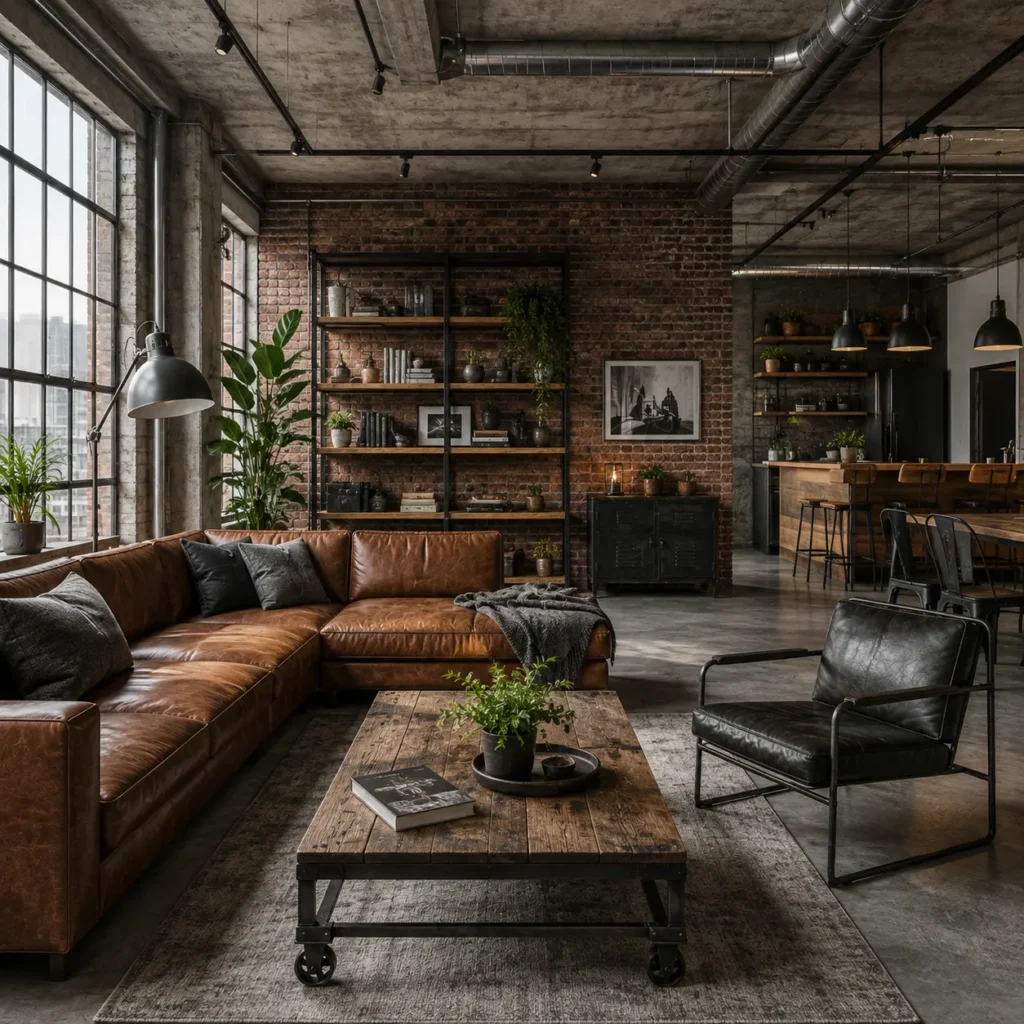
Industrial design took shape from converted warehouses, lofts, and factory spaces, and it deliberately celebrates the “bones” of a building rather than hiding them. It’s a style built around exposed, raw materials.
Key elements: Exposed brick or concrete, visible ductwork and piping, metal fixtures, dark and moody color palettes, and furniture that mixes reclaimed wood with black metal frames.
Where it works best: Industrial design is a natural fit for lofts, converted commercial spaces, and home offices, where its slightly rugged, utilitarian feel doesn’t clash with the architecture. It can be trickier to pull off convincingly in a standard suburban home without some structural character to work with.
Tips to pull it off:
- Use metal and black-framed lighting fixtures as a defining detail
- Balance the coolness of concrete and metal with warm wood tones and soft textiles
- Leave at least one wall of exposed brick or textured material as a focal point, if your space allows it
- Choose furniture with visible hardware and joinery rather than fully upholstered, skirted pieces
6. Farmhouse Interior Design
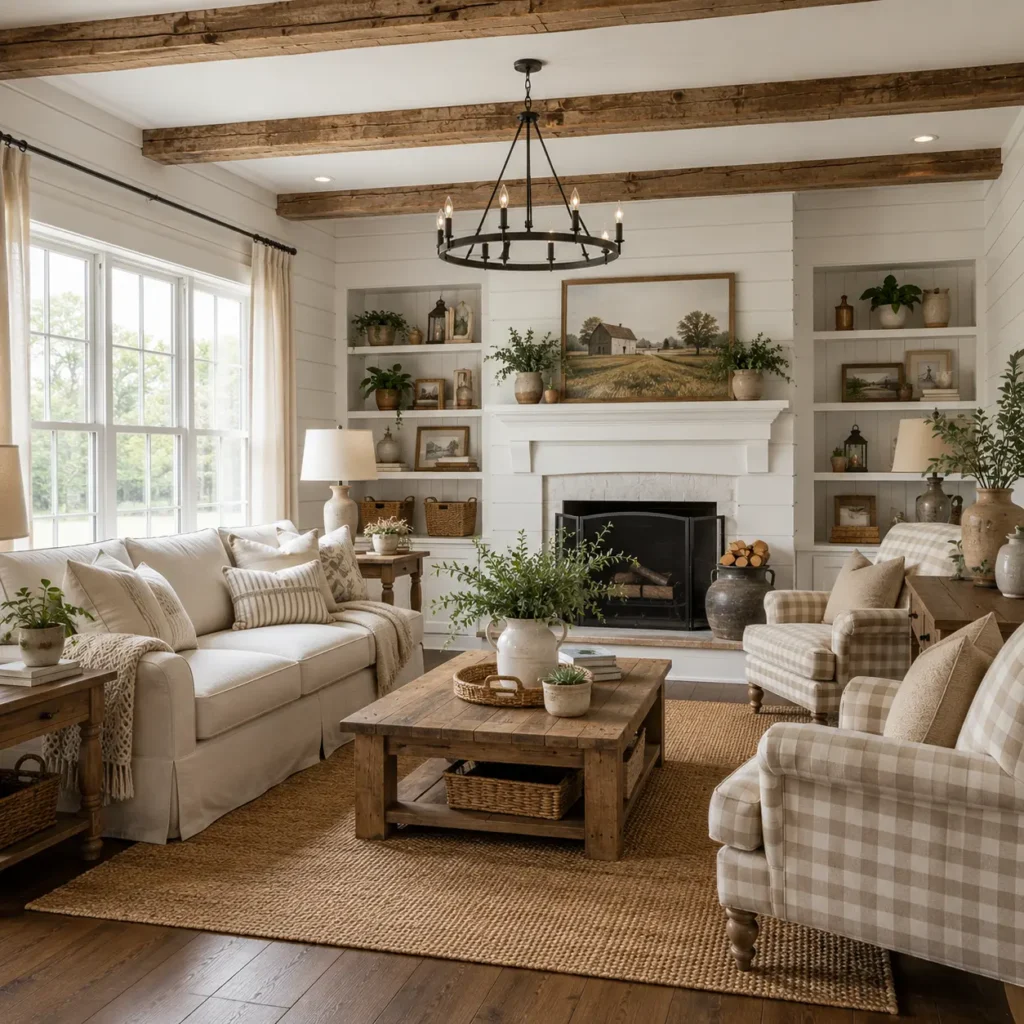
Farmhouse style — and its offshoot, Modern Farmhouse — has been one of the most consistently popular interior design styles over the past decade, thanks in large part to widespread home renovation shows. It blends rustic, practical materials with a clean, updated layout.
Key elements: Shiplap or paneled walls, black metal fixtures and hardware, farmhouse sinks, reclaimed or distressed wood, neutral color palettes with warm undertones, and a mix of vintage and new pieces.
Where it works best: Kitchens and living rooms are the classic farmhouse showcase spaces, though the style translates well to bedrooms and bathrooms too.
Tips to pull it off:
- Use black hardware and fixtures as a consistent thread throughout the space
- Mix one or two genuinely vintage or antique pieces with newer furniture to avoid a manufactured look
- Keep walls in warm whites or soft neutrals rather than stark, cool white
- Add texture through woven baskets, cotton textiles, and wood grain rather than pattern
7. Mid-Century Modern Interior Design
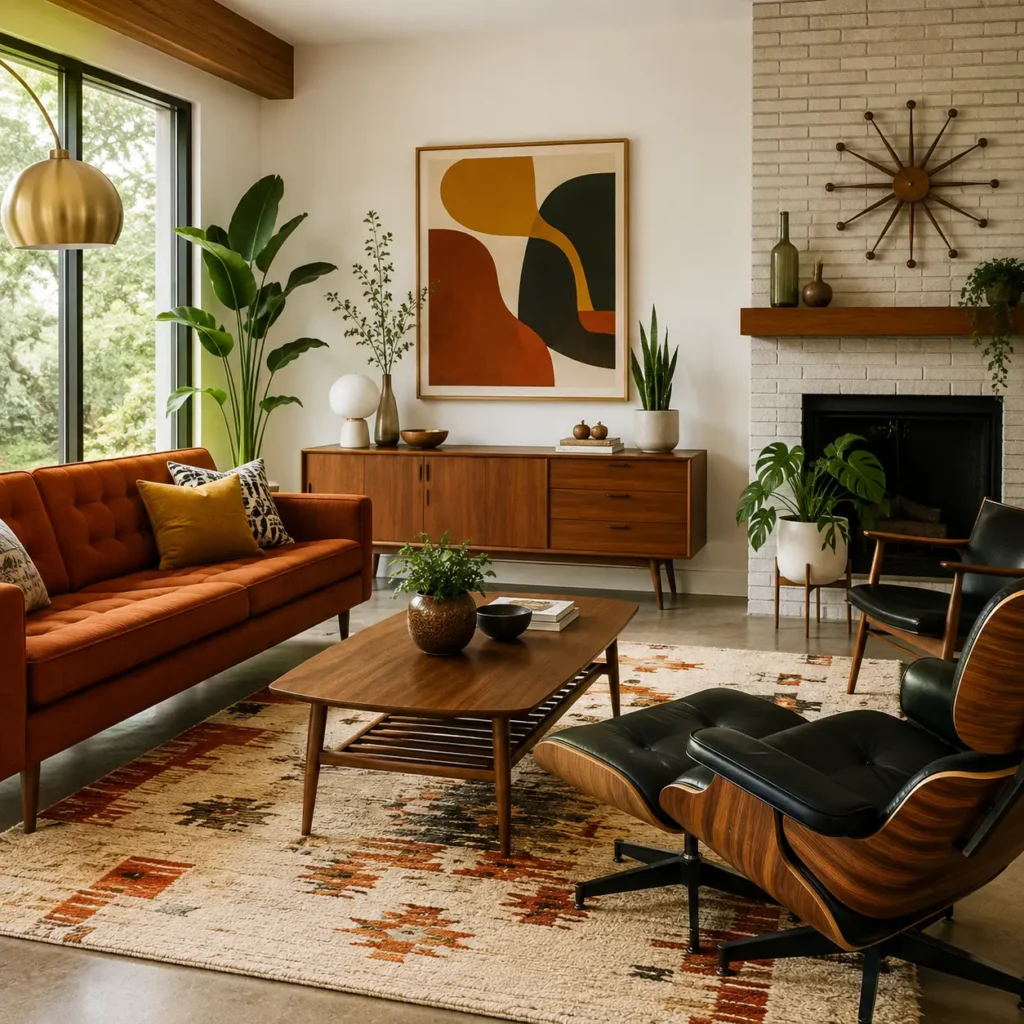
Mid-Century Modern design refers to a specific era — roughly the 1940s through 1960s — known for its optimism, functionality, and clean, organic forms. It’s remained one of the most enduringly popular interior design styles because it ages exceptionally well and pairs easily with more contemporary pieces.
Key elements: Tapered wooden legs, organic curved shapes, warm wood tones like walnut and teak, bold accent colors (mustard, burnt orange, teal) against neutral backdrops, and a mix of function-forward furniture with sculptural accents.
Where it works best: Living rooms and home offices are the most natural fit, particularly spaces that already have clean architectural lines to complement the furniture’s simplicity.
Tips to pull it off:
- Invest in one or two authentic or well-made reproduction pieces rather than filling a room with low-quality mid-century-inspired furniture
- Use a bold accent color sparingly — a single chair or piece of art rather than an entire wall
- Choose lighting with sculptural, geometric shapes to reinforce the era’s design language
- Keep the palette otherwise neutral so the furniture’s form can stand out
8. Traditional Interior Design
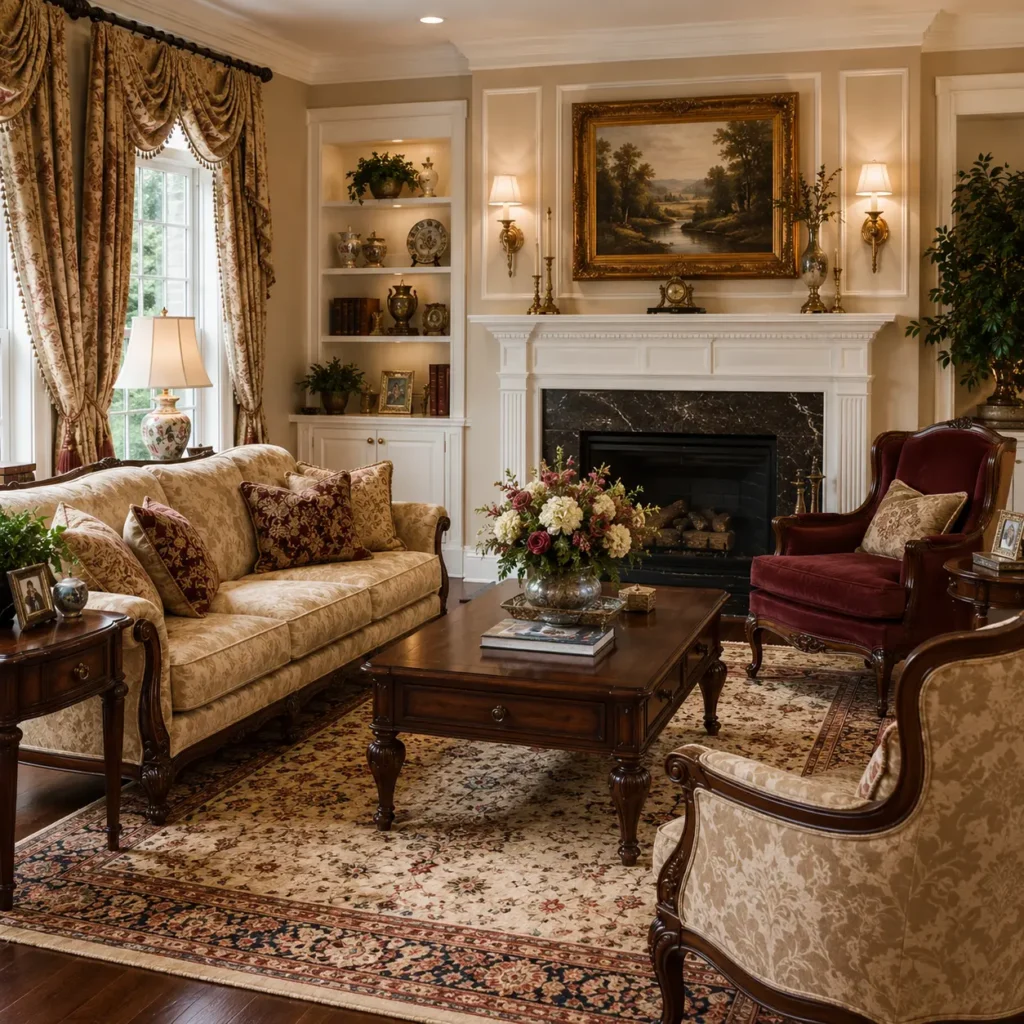
Traditional design draws on 18th- and 19th-century European influences and remains one of the more formal, structured styles on this list. It rewards symmetry, craftsmanship, and a more considered, slower approach to furnishing a room.
Key elements: Symmetrical furniture arrangements, rich fabrics like velvet and silk, detailed millwork and trim, antique or antique-style furniture, and a more saturated, layered color palette than modern styles typically use.
Where it works best: Formal living rooms and dining rooms are the classic setting for traditional design, particularly in homes with existing architectural detail like crown molding or wainscoting to complement the style.
Tips to pull it off:
- Arrange furniture symmetrically around a central focal point, such as a fireplace
- Invest in quality upholstery fabrics, since texture and craftsmanship carry much of the style’s character
- Incorporate at least one antique or vintage piece for authenticity
- Balance the formality with softer lighting — traditional rooms can feel stiff under harsh overhead light
9. Coastal Interior Design
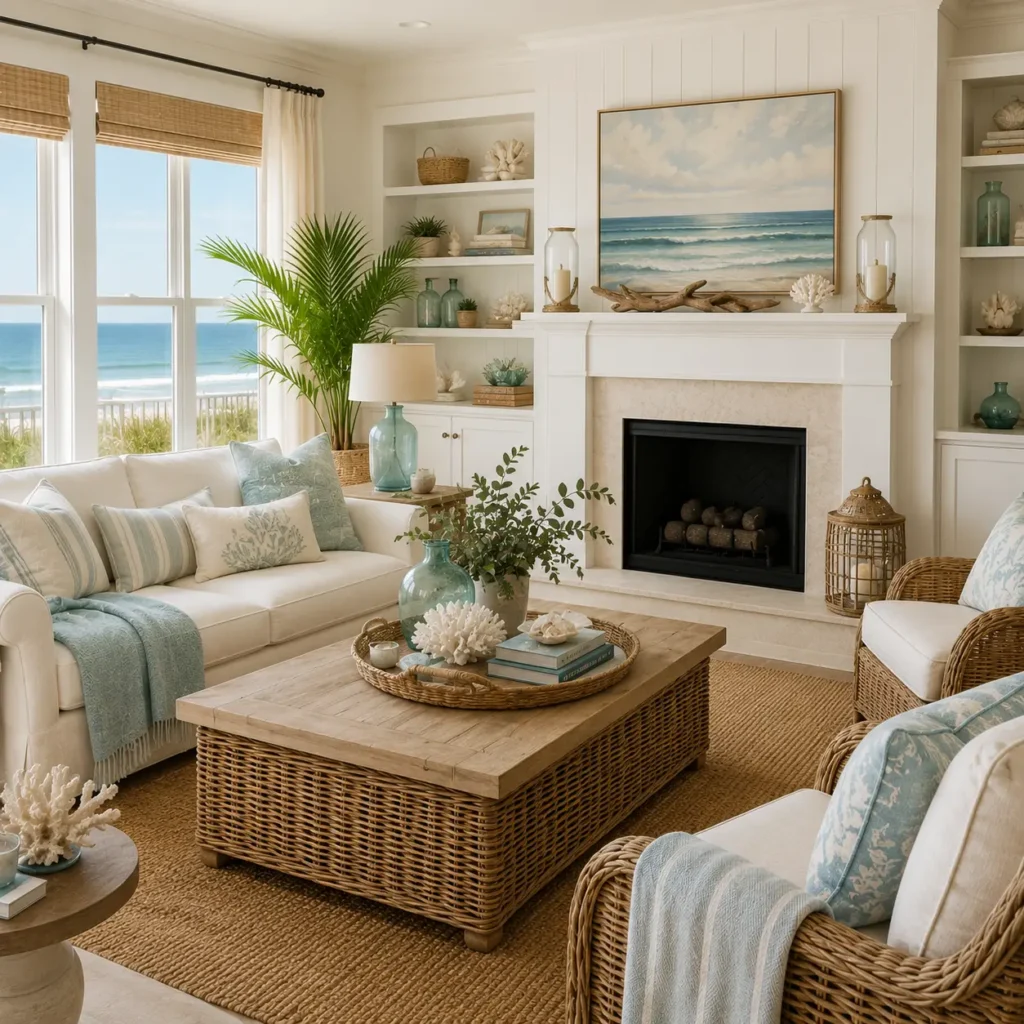
Coastal design — sometimes called Hamptons style in its more upscale form — evokes a breezy, relaxed feeling regardless of whether a home is actually near water. It’s one of the most popular interior design styles for living rooms and primary bathrooms.
Key elements: A blue-and-white base palette, natural textures like linen, jute, and rattan, light wood tones (often whitewashed or driftwood-finished), and an emphasis on natural light.
Where it works best: Living rooms, primary bathrooms, and sunrooms are the most natural fit, especially in homes that already get good natural light.
Tips to pull it off:
- Stick to a genuinely limited palette — blue, white, and one warm neutral is usually enough
- Choose linen or cotton over heavier, more formal fabrics
- Add rattan or woven textures through baskets, light fixtures, or furniture
- Keep window treatments light and sheer rather than heavy drapery, to preserve the airy feel
10. Japandi Interior Design
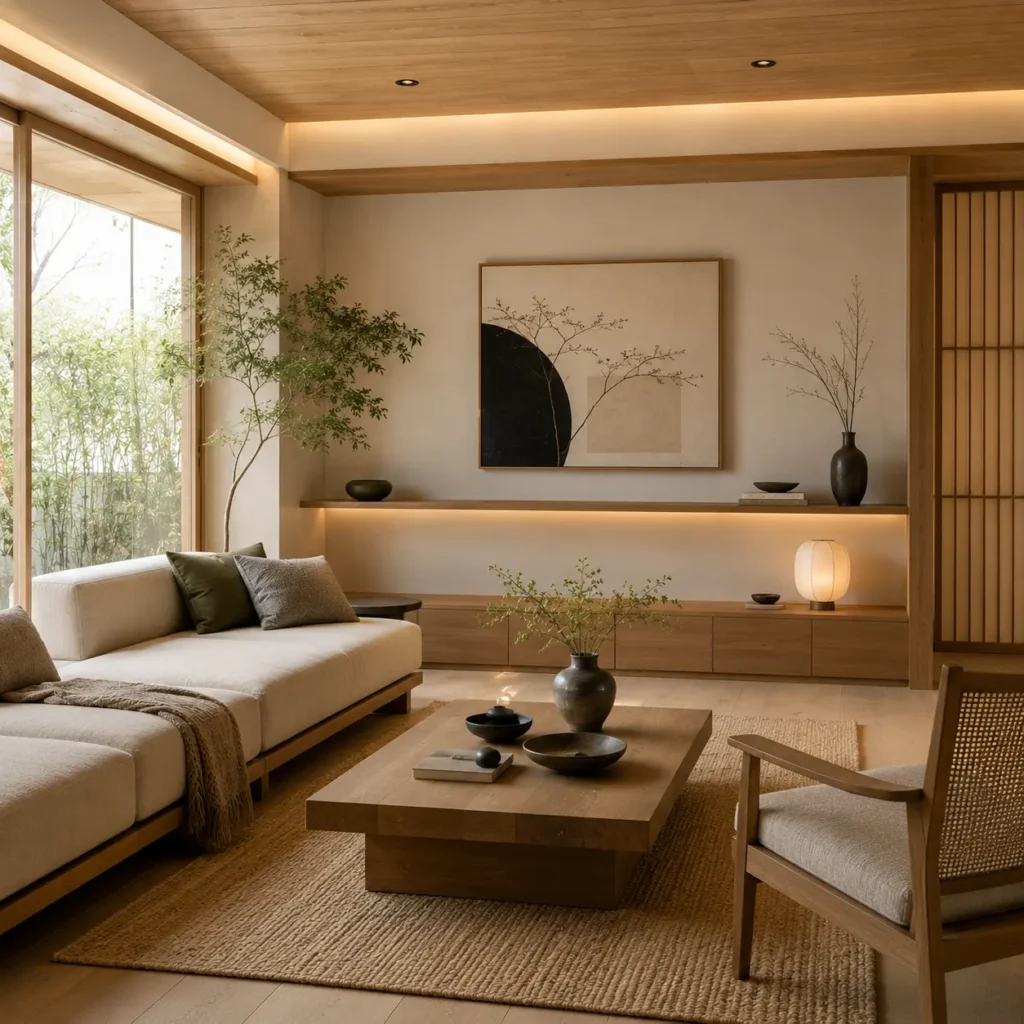
Japandi is one of the newer entries on this list — a hybrid of Japanese minimalism and Scandinavian warmth that has grown rapidly in popularity over the past several years. It takes the calm restraint of Japanese design and softens it with the coziness of Scandinavian style.
Key elements: A muted, earthy color palette, natural materials like wood, stone, and ceramic, an emphasis on craftsmanship and quality over quantity, and a design philosophy rooted in the Japanese concept of wabi-sabi — finding beauty in imperfection and simplicity.
Where it works best: Bedrooms and bathrooms are especially well suited to Japandi’s calm, uncluttered feel, though the style works nearly anywhere given its flexibility.
Tips to pull it off:
- Choose furniture low to the ground, echoing traditional Japanese interiors
- Favor natural, slightly imperfect materials — hand-thrown ceramics, raw wood grain — over anything glossy or mass-produced
- Keep the color palette to warm neutrals, soft greens, and muted earth tones
- Resist the urge to over-decorate — Japandi depends on restraint as much as any single material choice
How to Choose the Right Interior Design Style for You
With 10 legitimate options, narrowing things down can feel harder than picking none at all. A few practical filters help:
Start with what you’re drawn to, not what’s trending. Save images of rooms you genuinely love — without overthinking why — then look for patterns afterward. You’ll likely notice recurring colors, materials, or moods that point toward one or two styles.
Consider your lifestyle, not just your taste. A style you love in photos might not suit how you actually live. Traditional design, for example, often requires more upkeep and a slower, more considered approach to furnishing than a style like Scandinavian or minimalist.
Factor in your existing architecture. A style that complements your home’s existing bones — trim, ceiling height, natural light — will always be easier and cheaper to execute than one that fights against them.
Budget realistically. As the comparison table above shows, styles like traditional and industrial tend to require a higher investment for an authentic result, while Scandinavian and bohemian styles are more forgiving on a smaller budget.
Blend, don’t force a single label. Most real, lived-in homes combine a primary style with a secondary influence — Scandinavian with a few boho textiles, or mid-century furniture in an otherwise modern shell. This is where personal style actually lives.
Frequently Asked Questions About Interior Design Styles
What is the most popular interior design style right now?
Modern, Scandinavian, and Japandi consistently rank among the most searched and most popular interior design styles, largely because they photograph well, work in small and large spaces alike, and are relatively approachable for beginners. That said, Modern Farmhouse and its evolving variants have also remained dominant in North American homes for the past several years.
What’s the easiest interior design style for a beginner to pull off?
Scandinavian and bohemian styles tend to be the most forgiving. Scandinavian design relies on a simple, neutral palette that’s hard to get wrong, while bohemian design embraces an eclectic, layered look that hides small mismatches rather than exposing them.
Can I mix two interior design styles in one home?
Yes — and most well-designed homes do. The key is choosing one style as your primary “home base,” which should drive roughly 70% of your decisions, and letting a secondary style add personality through smaller details like textiles, art, or a handful of furniture pieces.
Which interior design style works best for small spaces?
Minimalist and Scandinavian styles are generally the best fit for small apartments and studios, since both rely on light palettes, negative space, and functional furniture that make compact rooms feel larger rather than more crowded.
What interior design style is best for renters?
Bohemian and Scandinavian styles tend to be the most renter-friendly, since both rely heavily on removable, non-structural elements — textiles, rugs, plants, and furniture — rather than permanent changes like built-ins or accent walls.
How do I know which interior design style fits my personality?
Look at what you’re naturally drawn to outside of your home first — your wardrobe, the restaurants you love, the vacations you gravitate toward. Interior design style is often just an extension of the aesthetic choices people already make elsewhere in their lives.
Final Thoughts
There’s no universally “best” interior design style — only the one that fits how you actually live, the architecture you’re working with, and the budget you’re comfortable investing. Whether you’re drawn to the calm restraint of Japandi, the collected warmth of bohemian design, or the timeless lines of mid-century modern, the most successful rooms are the ones that borrow intentionally rather than copy a single look exactly.
Start by identifying one primary style as your home base, choose a color palette that supports it, and build outward one room at a time. For the next step in the process, see our companion guides on choosing a color palette and furnishing a room on a budget to start turning your chosen style into a finished space.