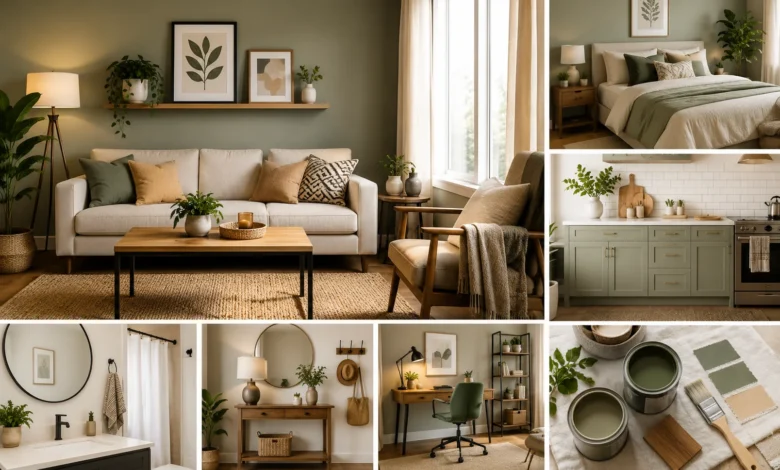
There’s a persistent myth that great interior design requires a large budget — that the difference between a “designer” home and an ordinary one comes down to how much money was spent. In practice, some of the most well-designed rooms come from tight budgets and smart prioritization, not unlimited spending. Budget constraints force better decisions, not worse ones.
This guide walks through a practical, room-by-room approach to budget interior design — where to spend, where to save, and which low-cost changes make the biggest visible difference. Whether you’re furnishing a first apartment or refreshing a home you’ve lived in for years, these strategies apply at almost any budget level, from a few hundred dollars to a few thousand.
For the foundational principles referenced throughout this guide, it’s worth starting with our complete guide to interior design, since budget decisions work best when they’re grounded in the same core design principles that apply at any price point.
The Mindset Shift: Budget Interior Design Is About Priority, Not Just Price
The biggest mistake people make with a limited budget isn’t spending too much — it’s spending evenly across everything, which usually means every purchase ends up slightly compromised. A more effective approach is to deliberately spend more on a small number of high-impact items, and less — or nothing at all — on everything else.
This is sometimes called the “splurge and save” strategy, and it’s how most professional designers approach budget-conscious projects. Splurge on pieces you interact with daily and that are expensive to replace later — a sofa, a mattress, kitchen countertops. Save on trend-driven, easily swapped items — throw pillows, art, seasonal decor — since these are cheap to update later as your taste or the room evolves.
The Highest-Impact, Lowest-Cost Changes
Before diving into room-by-room budget interior design ideas, it’s worth covering the handful of changes that consistently deliver the biggest visual return for the smallest financial investment, regardless of which room they’re applied to.
Paint. This remains the single best return on investment in any budget interior design project. A gallon of paint costs a fraction of nearly any piece of furniture, and a fresh coat can transform a room more dramatically than almost any other single change. Even painting just one accent wall, trim, or a piece of furniture can shift a room’s entire feel.
Rearranging existing furniture. Before buying anything new, try rearranging what you already have. A different layout — floating the sofa, swapping which wall the bed sits against — can make a room feel entirely refreshed for zero cost.
New hardware. Swapping cabinet pulls, doorknobs, and even light switch plates is one of the cheapest upgrades available, and it has an outsized effect on how “finished” and current a space feels, especially in a kitchen or bathroom.
Decluttering. This costs nothing and is consistently underrated. A room with fewer, more intentional items almost always looks more expensive and considered than a cluttered room full of nicer individual pieces.
Textiles. New throw pillow covers, a fresh throw blanket, or updated curtains are relatively inexpensive and can shift a room’s color palette and texture significantly without touching a single piece of furniture.
| Order of operations for budget interior design: Declutter → Rearrange → Paint → Textiles → Lighting → Furniture (last, and only where truly needed). Furniture is the most expensive category — don’t start there. |
|---|
Low Budget Interior Design for the Living Room
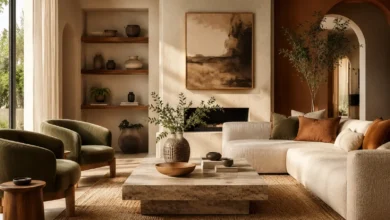
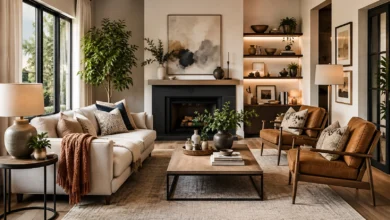
The living room tends to accumulate the most furniture and the highest costs of any room in the home, which makes it a natural place to apply low budget interior design strategies with intention.
Start with what you already own. Before shopping, take everything out of the room and reintroduce pieces one at a time, keeping only what earns its place. It’s common to discover that a living room actually has enough furniture already — it just needs a better layout, which costs nothing.
Focus spend on the sofa, save on everything else. Since the sofa is used daily and is expensive and difficult to replace often, it’s usually worth the largest share of a living room budget. Coffee tables, side tables, and accent chairs can often be sourced secondhand or from lower-cost retailers without sacrificing much visual impact.
Add one anchor rug. As covered in our guide to interior design fundamentals, an appropriately sized rug does more to visually pull a living room together than almost any other single purchase — and rugs are one of the categories where secondhand and discount options can look nearly identical to expensive ones from a few feet away.
Layer in affordable lighting. A single overhead fixture rarely does a living room justice, but a budget-friendly floor lamp or a couple of inexpensive table lamps can add the layered lighting effect covered in our full interior design guide for a fraction of the cost of an electrician-installed fixture.
Use art and mirrors to fill visual gaps. A large, affordable print, a gallery wall of budget frames, or an oversized mirror can fill an empty wall far more cheaply than additional furniture, while also adding a focal point to the room.
Room-by-Room Budget Interior Design Ideas
Bedroom. Quality bedding delivers a disproportionately large visual and comfort upgrade for a relatively modest cost, and it’s often worth prioritizing over a brand-new bed frame. A few new throw pillows, a headboard refresh (even a DIY upholstered version), and a fresh coat of paint can make a bedroom feel new without a major furniture investment.
Kitchen. Painting cabinets rather than replacing them is one of the highest-return budget interior design projects available, often costing a small fraction of a full renovation. New cabinet hardware, a fresh backsplash using peel-and-stick tile, and updated lighting fixtures can modernize a kitchen significantly without touching the layout or appliances.
Bathroom. New hardware, a fresh shower curtain, updated towels, and a statement mirror are all low-cost changes that make an outsized difference in a small space. Regrouting tile and replacing an old caulk line are also inexpensive updates that instantly make a bathroom look better maintained.
Home office. A functional desk and a genuinely comfortable, ergonomic chair are worth prioritizing, since they directly affect daily comfort and productivity. Everything else — shelving, art, accessories — can be sourced affordably or repurposed from elsewhere in the home.
Entryway. A budget-friendly console table, a mirror, and a few hooks for coats and bags can transform a first impression for a relatively small investment, and this is a room where a single well-chosen piece often does more work than a full furniture set.
Where to Find Affordable Furniture and Decor
Secondhand and vintage marketplaces. Online marketplaces, estate sales, and local thrift or consignment stores are consistently the best source for well-made furniture at a fraction of retail cost — solid wood furniture in particular tends to hold up far better over time than many mass-produced new alternatives at a similar price point.
End-of-season and clearance sales. Retailers regularly discount furniture and decor at the end of a season or when updating a collection, and patience around these cycles can lead to significant savings on items that were on the original wish list anyway.
Facebook Marketplace and local classifieds. These platforms have become one of the most reliable sources for near-new furniture, often listed well below retail because the original owner is moving or redecorating.
Discount and outlet retailers. Many major furniture and home goods brands operate outlet locations or discount lines that carry similar quality to their full-price counterparts at a reduced cost.
DIY and upcycling. A worn but structurally sound piece of furniture can often be refreshed with paint, new hardware, or reupholstering for far less than the cost of buying new, while also resulting in a piece with more character than a mass-produced alternative.
How to Prioritize When the Budget Is Genuinely Tight
When funds are especially limited, it helps to have a clear decision-making framework rather than guessing room by room.
Prioritize rooms you use most. A bedroom and living room used daily generally deserve budget priority over a guest room or formal dining space used only occasionally.
Prioritize function over decoration. A comfortable, supportive mattress or a genuinely ergonomic desk chair delivers more daily value than decorative accessories, even if the accessories are more visually exciting to shop for.
Buy once, buy well, for high-use items. For furniture used daily — a sofa, a mattress, a work chair — it’s often more cost-effective long-term to save up for a higher-quality piece than to buy and replace a cheaper version multiple times.
Accept an unfinished room over a rushed one. It’s tempting to fill every corner immediately, but a room that’s 80% finished with well-chosen pieces will generally look and feel better than a fully furnished room where every item was a compromise purchase made under time pressure.
Common Budget Interior Design Mistakes to Avoid
- Buying everything at once — leading to compromise purchases across the board rather than a few well-chosen pieces
- Skipping the planning stage — shopping without a clear layout or color palette in mind, which often results in items that don’t work together once they’re all in the room
- Underestimating the impact of paint — one of the cheapest, highest-return changes available, and often skipped in favor of more expensive furniture purchases
- Ignoring secondhand options entirely — missing out on some of the best value available, particularly for solid wood furniture and rugs
- Spreading the budget too thin — rather than concentrating spend on the highest-impact, most-used pieces
- Forgetting that lighting is part of the budget — a room can have great furniture and still feel unfinished under flat, single-source lighting
Frequently Asked Questions About Budget Interior Design
What is the cheapest way to redecorate a room?
Rearranging existing furniture and decluttering cost nothing and can meaningfully change how a room feels. After that, paint is typically the lowest-cost, highest-impact purchase available, followed by inexpensive textile updates like throw pillow covers and curtains.
How can I do low budget interior design for a living room specifically?
Focus the majority of the budget on the sofa, since it’s the most-used and most expensive-to-replace piece, and source secondary items like side tables, accent chairs, and a rug secondhand or from discount retailers. Adding affordable lighting and a large piece of art or a mirror can fill out the room without requiring a full furniture set.
Is secondhand furniture actually a good option for budget interior design?
Yes, particularly for solid wood pieces and rugs, which often hold up better over time than comparably priced new alternatives. Secondhand shopping does require more patience and occasional refinishing or reupholstering, but it’s consistently one of the best value sources available.
How much should I spend on interior design for one room?
This varies enormously depending on the room and your priorities, but a useful framework is to allocate the largest share of the budget to the one or two pieces used most daily — a sofa in a living room, a mattress in a bedroom — and spend more conservatively on secondary items.
What should I never cut corners on when decorating on a budget?
Items used daily and difficult to replace often — a mattress, a primary sofa, an ergonomic desk chair — are generally worth prioritizing quality over savings, since the cost of replacing a poor-quality version sooner often outweighs the initial savings.
Can a room designed on a budget still look professionally done?
Yes — a clear color palette, an intentional layout, and a small number of well-chosen pieces will typically look more “designed” than a fully furnished room where every item was purchased under budget pressure without a cohesive plan.
Final Thoughts
Budget interior design isn’t about finding the cheapest version of everything — it’s about deciding, deliberately, where your money will actually be seen and felt, and where it won’t. Prioritize the pieces you use daily, lean on paint, rearranging, and decluttering before reaching for your wallet, and don’t underestimate secondhand and discount sources for furniture that will genuinely last.
Once you’ve nailed the fundamentals of prioritizing spend, see our companion guides on choosing a color palette and small space interior design to keep stretching your budget further, room by room.