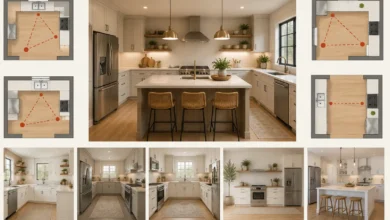

A kitchen remodel is one of the biggest investments most homeowners make in their house, and it’s also one of the projects most likely to run over budget if it isn’t planned carefully. Costs can vary enormously depending on scope, materials, and location, and even a modest refresh can balloon once unexpected issues surface behind the walls. This guide walks through where the money typically goes in a kitchen remodel, how to set a realistic budget, financing options worth considering, and practical ways to save without cutting corners on the things that matter most.
Why Kitchen Remodel Budgets Go Wrong
Before getting into numbers, it helps to understand the most common reasons a kitchen remodel budget gets blown, since most of them are avoidable with better planning.
- No contingency fund. Older homes especially tend to reveal surprises once cabinets or flooring come out — outdated wiring, plumbing that doesn’t meet current code, or subfloor damage. Without a buffer built into the budget from the start, these discoveries become budget-breakers rather than manageable line items.
- Scope creep. A remodel that starts as “just new countertops” can quietly expand into new cabinets, new flooring, and a moved wall once the project is underway, with each addition seeming reasonable in isolation but adding up significantly by the end.
- Underestimating labor costs. Materials are often easier to price-shop than labor, and many homeowners budget generously for cabinets and appliances while underestimating what installation, plumbing, and electrical work will cost.
- Choosing finishes before setting a firm budget. Falling in love with a specific tile, countertop, or appliance before confirming it fits the overall budget can lead to either overspending or a frustrating last-minute downgrade.
- Not getting multiple quotes. Accepting the first contractor estimate without comparison makes it hard to know whether a quote is reasonable for the local market and the specific scope of work.
Where Kitchen Remodel Money Typically Goes
Understanding the general breakdown of a kitchen remodel budget makes it easier to plan realistically and spot where a specific quote might be unusually high or low.
Cabinetry (typically the largest single expense). Cabinets are usually the single biggest line item in a full kitchen remodel, often representing a substantial share of the total budget depending on whether you choose stock, semi-custom, or custom cabinets.
Installation and labor. Beyond materials, the cost of skilled labor — carpenters, electricians, plumbers, and general contractors — makes up a significant portion of most remodel budgets, and it’s one of the categories most affected by local market rates and project complexity.
Countertops. Material and fabrication costs vary widely depending on whether you choose laminate, quartz, granite, or another material, with natural stone and premium engineered surfaces sitting at the higher end.
Appliances. Refrigerators, ranges, dishwashers, and any additional appliances add up quickly, particularly if opting for high-end or built-in models over standard freestanding units.
Flooring. New kitchen flooring costs depend heavily on material choice, with luxury vinyl plank generally on the more affordable end and natural stone or hardwood on the higher end.
Lighting and electrical work. Adding recessed lighting, under-cabinet fixtures, or new circuits for updated appliances involves both materials and licensed electrical labor.
Plumbing. Moving a sink, adding a second sink, or updating supply and drain lines to meet current code can be a meaningful cost, especially if the layout changes from the original.
Backsplash and finishing details. Tile, paint, hardware, and trim tend to be smaller individual costs but collectively make up a noticeable share of the finishing budget.
Permits and design fees. Depending on the scope and local requirements, permit fees and any architect or designer fees should be factored in early rather than treated as an afterthought.
Cosmetic Refresh vs. Full Remodel
Not every kitchen needs to be gutted to feel new again, and deciding between a cosmetic refresh and a full remodel is one of the most important budget decisions to make early.
A cosmetic refresh typically includes repainting or refacing cabinets instead of replacing them, updating hardware and light fixtures, swapping the backsplash, and possibly refinishing rather than replacing the countertop. This approach can transform how a kitchen feels at a fraction of the cost of a full renovation, and it’s usually completed in a matter of days to a couple of weeks rather than months.
A full remodel makes more sense when the layout genuinely doesn’t work for the household, when cabinetry is structurally worn out or water-damaged, or when outdated plumbing or electrical needs to be addressed regardless of cosmetic choices. A full remodel typically involves removing existing cabinets and possibly moving walls, plumbing, or electrical, which is why it carries both a higher cost and a longer timeline.
A middle-ground option — sometimes called a partial remodel — might keep the existing layout and cabinet boxes but replace doors, countertops, and flooring, landing between a purely cosmetic refresh and a full gut renovation in both cost and disruption.
Setting a Realistic Kitchen Remodel Budget
- Research costs specific to your area and scope first. National average costs can be a useful starting reference point, but labor and material costs vary significantly by region, so local research (quotes, local contractor rates, recent comparable projects) gives a more accurate baseline than a single national figure.
- Separate “needs” from “wants.” Structural issues, code-required updates, and layout problems that affect daily function belong in the core budget; a specific premium finish or a nice-to-have upgrade can be flagged as an add-on if the budget allows once the essentials are covered.
- Add a contingency of 10 to 20 percent on top of the estimated cost, specifically to absorb unexpected issues discovered once demolition begins. Older homes, in particular, tend to need a contingency closer to the higher end of that range.
- Decide on a firm ceiling, not just a target. A target budget without a hard ceiling tends to creep upward as decisions get made; setting an absolute maximum upfront makes it easier to say no to upgrades that would blow past it.
- Build in a buffer for temporary living costs, if the kitchen will be unusable for an extended period — takeout, a temporary kitchen setup, or minor costs that add up over a multi-week project.
Getting Accurate Contractor Quotes
Get at least three quotes for any full or partial remodel, since a single quote makes it hard to judge whether the pricing is reasonable for your specific scope and local market.
Ask for itemized estimates, not a single lump-sum number. An itemized quote breaks down costs by category — cabinetry, countertops, labor, plumbing, electrical — making it much easier to compare quotes apples-to-apples and to spot where one contractor’s estimate differs significantly from another’s.
Confirm what’s included versus excluded. Some quotes include demolition and disposal, permits, and design time; others treat these as separate line items. Clarifying this upfront avoids a surprise addition later.
Ask about payment schedules. Many contractors work on a milestone-based payment structure (a deposit, followed by payments tied to project stages). Understanding this schedule in advance helps with cash flow planning, particularly if financing part of the project.
Check references and licensing. Beyond price, confirming a contractor’s licensing, insurance, and recent references protects against costly problems that can end up far more expensive than the original quote difference between contractors.
Financing a Kitchen Remodel
Not every kitchen remodel is paid for entirely in cash, and understanding the common financing options helps in planning realistically for what’s affordable.
Home equity loan or HELOC. A home equity loan provides a lump sum based on the equity built up in the home, typically at a lower interest rate than unsecured personal loans, since the loan is secured by the property. A home equity line of credit (HELOC) works similarly but functions more like a credit line that can be drawn from as needed throughout the project, which can suit a remodel with phased costs.
Cash-out refinance. This replaces an existing mortgage with a new, larger one, with the difference paid out in cash for the remodel. This option makes the most sense when current mortgage rates are favorable compared to the existing loan, since refinancing at a higher rate than the original mortgage can increase the overall cost of homeownership beyond just the remodel itself.
Personal loan. An unsecured personal loan doesn’t require using the home as collateral, which can be appealing, but interest rates are typically higher than home equity options since the lender takes on more risk without a secured asset.
Credit cards. Using a credit card, particularly one with an introductory 0% APR period, can work for a smaller portion of a remodel budget if it can realistically be paid off before the promotional rate ends, but carrying a large remodel balance on a standard credit card long-term is generally one of the most expensive ways to finance a renovation.
Contractor or manufacturer financing. Some contractors and home improvement retailers offer financing plans directly, which can be convenient but are worth comparing carefully against other options, since terms and rates vary significantly between providers.
Savings. Paying with cash savings avoids interest costs entirely and is generally the least risky option for anyone who can afford to do so without depleting an emergency fund, though it also means the full cost is felt upfront rather than spread over time.
A general rule worth applying to any financing decision: the total cost of financing (including interest) should be weighed against the value the remodel is expected to add to the home and to daily quality of life, rather than viewing the loan or credit line purely as a way to make the upfront cost feel smaller.
Where to Save on a Kitchen Remodel Without Sacrificing Quality
Keep the existing layout when possible. Moving plumbing and gas lines is one of the most expensive line items in many remodels; keeping the sink, range, and dishwasher in their current locations avoids this cost entirely while still allowing significant updates to cabinets, countertops, and finishes.
Refinish or reface cabinets instead of replacing them. If the cabinet boxes are structurally sound, painting or refacing (applying a new veneer to the existing boxes with new doors) can deliver much of the visual impact of new cabinets at a fraction of the cost.
Choose a mid-range countertop material. Quartz and granite in standard colors and patterns are typically more affordable than premium or exotic slabs, while still offering excellent durability — the cost jump for a rare or highly figured slab is often more about exclusivity than function.
Mix high and low-cost materials strategically. Splurging on a statement material in a small area — a marble insert on part of an island, for example — while using a more budget-friendly material elsewhere can achieve a high-end look without a high-end price tag throughout.
Shop appliance sales and package deals. Appliance retailers frequently offer seasonal sales and package discounts for buying a full suite of matching appliances together rather than individually.
Consider open-box or floor-model appliances. These are often fully functional, sometimes with a manufacturer’s warranty intact, at a meaningful discount compared to a brand-new sealed unit.
Do some of the demolition or painting yourself, if comfortable and safe to do so, since labor is a significant cost category and non-specialized work like demolition or painting can sometimes be handled without a licensed professional.
Prioritize function over trend-driven finishes. Spending on durable, well-built cabinets and reliable appliances tends to pay off longer than spending extra on a highly trend-specific tile or color that may need updating again sooner.
Time the project around sales seasons. Many retailers offer discounts on cabinetry, appliances, and fixtures during certain times of year, and planning a remodel’s material purchases around these windows can meaningfully reduce costs without changing the scope at all.
Kitchen Remodel Cost by Project Size
While exact costs vary significantly by region and specific choices, kitchen remodels generally fall into a few broad categories:
Minor/cosmetic refresh. Repainting cabinets, updating hardware and lighting, and a new backsplash, without changing the layout or replacing major elements. This is the lowest-cost category and typically the fastest to complete.
Mid-range remodel. New countertops, cabinet refacing or partial replacement, updated appliances, and new flooring, generally keeping the existing layout intact to avoid plumbing and electrical relocation costs.
Major/full remodel. Complete replacement of cabinets, countertops, flooring, and appliances, potentially including layout changes, moved plumbing or electrical, and structural work such as removing a wall. This is the highest-cost and longest-timeline category.
High-end/luxury remodel. All the elements of a major remodel, plus premium materials throughout (natural stone, custom cabinetry, high-end integrated appliances) and potentially added square footage or significant structural changes.
Getting a local, itemized quote based on your specific kitchen’s size and desired scope remains the most reliable way to estimate cost, since national averages can vary substantially from actual local pricing.
Kitchen Remodel Timeline and How It Affects Budget
A full kitchen remodel typically takes six to twelve weeks from demolition to completion, depending on scope, permitting requirements, and how customized the cabinetry is. Timeline affects budget in a few practical ways:
- Custom and semi-custom cabinets extend the timeline with lead times of four to twelve weeks or more, which can delay the entire project since most other trades wait on cabinet installation.
- Permit delays can add unplanned weeks to a project, particularly for work involving structural changes, plumbing relocation, or electrical panel upgrades, and delays sometimes carry additional costs if a contractor’s crew needs to be rescheduled.
- Temporary kitchen setup costs — takeout, a folding table and mini fridge in another room, or a temporary outdoor cooking setup — add up over a multi-week project and are worth budgeting for even though they’re not part of the remodel itself.
- Rushing a timeline to save on labor costs can sometimes backfire if it means skipping proper drying or curing times for paint, adhesive, or sealant, leading to callbacks and rework that cost more in the long run than a realistic schedule would have.
Common Kitchen Remodel Budgeting Mistakes
- Skipping the contingency fund, leaving no buffer for the issues that frequently surface once demolition begins, especially in older homes.
- Choosing finishes before locking in the budget, which can lead to overspending on materials before labor and installation costs are even fully accounted for.
- Not comparing multiple contractor quotes, making it difficult to know whether a given price is reasonable for the local market and specific scope.
- Underestimating the cost of moving plumbing or electrical, which is one of the most expensive layout changes and easy to overlook when focused primarily on finishes.
- Financing more than comfortably affordable, particularly with higher-interest options like credit cards, without weighing the added interest cost against the remodel’s actual value.
- Ignoring resale value considerations in markets where overly personalized, high-cost finishes may not be recouped at resale, if resale is a relevant factor for the homeowner.
Rebates, Tax Credits, and Other Ways to Offset Costs
A few lesser-known ways to reduce the effective cost of a kitchen remodel are worth checking before finalizing a budget:
- Energy-efficiency rebates. Many utility companies and local governments offer rebates for installing energy-efficient appliances, particularly ENERGY STAR-rated refrigerators, dishwashers, and induction ranges, which can meaningfully offset the cost difference between a standard and efficient model.
- Manufacturer rebates and promotions. Appliance and fixture manufacturers frequently run seasonal rebate programs, particularly around major holidays, which can add up when purchasing several appliances at once.
- Local renovation incentive programs. Some municipalities offer incentives for kitchen or whole-home renovations that improve energy efficiency, accessibility, or historic preservation, depending on the home’s location and age.
- Insurance considerations for older homes. In some cases, updating outdated electrical or plumbing during a remodel can lead to lower homeowners insurance premiums, since insurers may view the updated systems as lower risk.
- Trade-in or buy-back programs. Some appliance retailers and cabinet suppliers offer credit for trading in older appliances or cabinetry, which can modestly offset new purchase costs.
These programs vary significantly by location and change frequently, so it’s worth researching current options specific to your area and household situation before finalizing purchase decisions, rather than assuming a specific rebate will apply.
Building a Simple Kitchen Remodel Budget Worksheet
A straightforward way to organize a remodel budget is to list each major category with three columns: estimated cost, actual quote received, and notes. A simplified example structure:
| Category | Estimated Cost | Actual Quote | Notes |
|---|---|---|---|
| Cabinetry | Stock, semi-custom, or custom | ||
| Countertops | Material and square footage | ||
| Appliances | Individual units or package deal | ||
| Flooring | Material and square footage | ||
| Lighting/electrical | Fixtures plus labor | ||
| Plumbing | Include any relocation costs | ||
| Backsplash | Material and installation | ||
| Labor/installation | Confirm what’s bundled vs. separate | ||
| Permits/design fees | Check local requirements | ||
| Contingency (10–20%) | Applied to subtotal above | ||
| Total |
Filling this out with real, itemized quotes rather than rough estimates makes it far easier to spot where a project might be trending over budget early enough to make adjustments, rather than discovering the overage only after work is already underway.
DIY vs. Hiring Professionals: Where It Affects the Budget
Deciding what to handle yourself versus hiring out is one of the more personal budgeting decisions in a kitchen remodel, and it’s worth being realistic about both cost savings and risk.
Tasks more commonly handled by homeowners: Demolition of non-structural elements, painting (walls or, with proper prep, cabinets), installing peel-and-stick or similar backsplash products, assembling and installing basic shelving or storage accessories, and general cleanup between project phases.
Tasks generally best left to licensed professionals: Electrical work, gas line connections, plumbing relocation, structural changes (removing or altering walls), and countertop templating and installation, which typically requires specialized tools and experience to avoid costly mistakes or safety issues.
The real cost of DIY mistakes. While doing certain tasks yourself can meaningfully reduce labor costs, a mistake in an area better suited to a professional — a botched electrical connection, an improperly sealed countertop seam, a plumbing leak behind a wall — can end up costing more to fix than simply hiring a professional from the start. Weighing personal skill level honestly against the actual savings, rather than assuming DIY is always cheaper, tends to produce a more accurate budget.
A middle-ground approach. Many homeowners choose to DIY the tasks with lower risk and skill requirements (demolition, painting, minor assembly) while hiring professionals for anything involving electrical, plumbing, gas, or structural work — capturing meaningful savings without taking on the highest-risk parts of the project.
Frequently Asked Questions
How much does an average kitchen remodel cost?
Costs vary widely by region, scope, and materials, ranging from a modest cosmetic refresh to a high-end full renovation. The best approach is to get several local, itemized quotes based on your specific kitchen size and desired finishes, then budget an additional 10–20% contingency for unexpected issues.
What is the biggest expense in a kitchen remodel?
Cabinetry is typically the largest single line item in a full kitchen remodel budget, often followed by labor and installation costs, then countertops and appliances.
Is it cheaper to reface or replace kitchen cabinets?
Refacing (or painting) existing cabinets is generally significantly cheaper than full replacement, as long as the cabinet boxes are structurally sound. Replacement becomes more cost-effective, or necessary, when the existing cabinets have water damage, structural issues, or don’t support the desired layout.
How much should I set aside for a remodel contingency fund?
A contingency of 10 to 20 percent above the estimated project cost is a common guideline, with older homes typically warranting a contingency closer to the higher end of that range due to a greater likelihood of hidden issues like outdated wiring or plumbing.
Is a HELOC or a personal loan better for financing a kitchen remodel?
A HELOC or home equity loan typically offers a lower interest rate than an unsecured personal loan, since it’s secured by the home, but it does put the home at risk if payments aren’t made. A personal loan avoids using the home as collateral but generally carries a higher interest rate. The better choice depends on the homeowner’s overall financial situation and risk tolerance.
How can I save money on a kitchen remodel without sacrificing quality?
Keeping the existing layout to avoid moving plumbing, refinishing or refacing cabinets instead of replacing them, choosing mid-range countertop materials, and shopping appliance sales are among the most effective ways to reduce costs without compromising the overall quality of the finished kitchen.
How long does a kitchen remodel typically take?
A full kitchen remodel typically takes six to twelve weeks from demolition to completion, depending on the scope of work, permitting requirements, and whether cabinetry is custom, semi-custom, or stock.
Also read: The Complete Kitchen Guide: Design, Layout, Appliances, and Care Tips for Every Home