Introduction
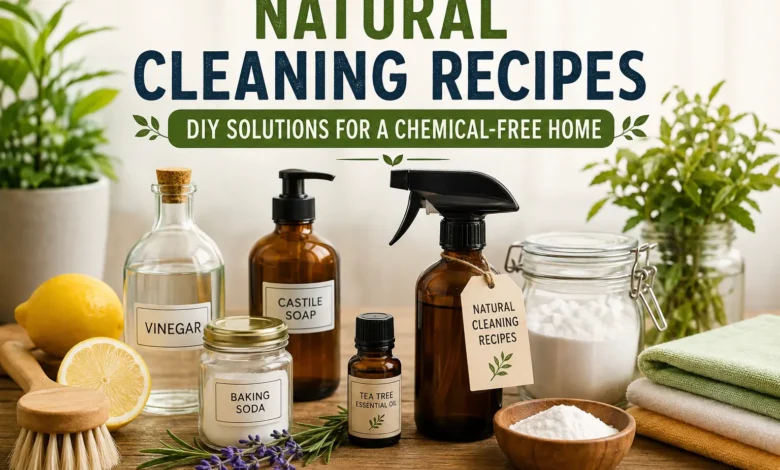
Store shelves are lined with cleaning products promising to disinfect, degrease, and deodorize every surface in your home, but many of them come with a long list of synthetic ingredients, strong fumes, and a price tag that adds up fast. A growing number of households are turning to natural cleaning recipes instead — simple, homemade cleaning recipes built from ingredients like vinegar, baking soda, castile soap, and essential oils that are just as effective for everyday cleaning, without the harsh chemical residue.
This guide brings together a full set of DIY cleaning recipes for nearly every surface and room in your home. You’ll find non toxic cleaning recipes for kitchens, bathrooms, floors, and laundry, along with essential oil cleaning recipes that add natural fragrance and additional antibacterial properties. Each recipe uses ingredients that are inexpensive, easy to find, and safe to store and use around most households, including those with children and pets, when handled correctly.
Whether you’re switching to natural cleaning for health reasons, environmental concerns, or simply to save money, this guide gives you a complete, tested toolkit to build a genuinely chemical-free cleaning routine.
If you’ve tried a random vinegar-and-water spray in the past and found it lacking compared to your usual store-bought cleaner, the issue usually isn’t that natural ingredients don’t work — it’s that most people never learn the right ratios, the right ingredient pairings, or which recipe suits which surface. This guide fixes that by giving you specific, tested measurements for every recipe, along with clear guidance on where each one performs best.
Why Choose Natural Cleaning Recipes Over Store-Bought Chemicals
Before diving into the recipes themselves, it helps to understand what natural cleaning actually offers over conventional products.
Fewer Harsh Fumes
Many commercial cleaners rely on strong synthetic fragrances and chemical agents that release volatile organic compounds (VOCs) into indoor air. For people with asthma, allergies, or general sensitivity to strong scents, switching to homemade cleaning recipes with mild, natural ingredients can noticeably reduce irritation.
Lower Cost Over Time
A bottle of white vinegar, a box of baking soda, and a bar of castile soap can replace an entire shelf of specialty cleaners. Once you have the core ingredients on hand, most DIY cleaning recipes cost a fraction of their store-bought equivalents per use.
Safer Around Children and Pets
While natural doesn’t automatically mean risk-free (more on that below), most natural cleaning recipes avoid the harsher chemical agents found in many conventional bathroom and kitchen cleaners, which is a meaningful consideration for households with curious toddlers or pets that spend time on freshly cleaned floors.
Environmental Impact
Homemade cleaning recipes typically use biodegradable ingredients and produce far less plastic packaging waste over time, since you’re refilling the same reusable spray bottles rather than buying new containers with every purchase.
Full Control Over Ingredients
Making your own cleaners means knowing exactly what’s in every bottle — no unlisted “fragrance” ingredients or unclear chemical blends. This transparency is one of the biggest reasons people move toward non toxic cleaning recipes in the first place.
Also Read: How to Remove Common Household Stains From Carpet, Fabric, and Upholstery
The Core Ingredients Every Natural Cleaning Cabinet Needs
You don’t need dozens of ingredients to build an effective natural cleaning kit. A small handful of staples covers nearly every surface in a typical home.
- White vinegar — cuts grease, dissolves mineral deposits, and works as a mild disinfectant on many surfaces (avoid on natural stone)
- Baking soda — a gentle abrasive useful for scrubbing without scratching most surfaces, and a natural deodorizer
- Castile soap — a plant-based, concentrated soap that works as a gentle all-purpose cleaner when diluted
- Lemon juice — cuts grease and adds a natural antibacterial boost along with a fresh scent
- Hydrogen peroxide — a safer alternative to bleach for disinfecting certain surfaces
- Essential oils — added primarily for fragrance and mild antibacterial properties (tea tree, lavender, lemon, and eucalyptus are the most commonly used)
- Cornstarch — useful for polishing glass and absorbing grease
- Rubbing alcohol — effective for disinfecting and cleaning electronics safely
With these eight ingredients, along with a few empty spray bottles and labels, you can cover the vast majority of cleaning needs in a typical household.
Where to Find These Ingredients and What to Look For
Most of these ingredients are available at any grocery store, often in the cleaning or baking aisle. A few things worth knowing before you buy:
- White vinegar for cleaning doesn’t need to be anything special — plain distilled white vinegar at 5% acidity is exactly what these recipes call for. Cleaning-specific vinegar with higher acidity exists but isn’t necessary for household use.
- Castile soap is widely available in liquid form, often unscented or lightly scented with essential oils already. Unscented is the more versatile choice if you plan to add your own essential oils.
- Baking soda for cleaning is the same product used in baking, so a large box from the grocery store works fine and is far more economical than smaller “cleaning” versions marketed at a premium.
- Essential oils vary widely in quality and price. For cleaning purposes, where the oil is diluted and not applied to skin, a mid-range oil is generally sufficient — there’s no need for therapeutic-grade pricing unless you also plan to use the oils for aromatherapy.
Essential Safety Notes Before You Start
Natural ingredients are generally gentler than synthetic chemicals, but a few safety rules still apply, and skipping them can cause real harm.
- Never mix vinegar with hydrogen peroxide. Combined, they create peracetic acid, which is corrosive and can irritate skin, eyes, and lungs.
- Never mix any ammonia-based product with bleach or vinegar. This produces toxic chloramine gas.
- Avoid vinegar and lemon juice on natural stone like granite, marble, and limestone, since their acidity can etch and dull the surface over time.
- Patch test essential oils on a small area of fabric or wood before wider use, since some oils can cause discoloration on certain finishes.
- Keep undiluted essential oils away from pets, particularly cats, which can be sensitive to certain oils like tea tree and citrus in concentrated form.
- Label every bottle clearly, including ingredients and date made, especially in households with children.
- Store homemade cleaners in a cool, dark place to preserve their effectiveness, and use most within a few weeks to a month, since natural recipes don’t contain the preservatives that extend shelf life in commercial products.
All-Purpose Natural Cleaning Recipes
Basic All-Purpose Spray
This is the workhorse of most natural cleaning routines and works well on countertops, appliance exteriors, and general surfaces.
Ingredients:
- 1 cup water
- 1 cup white vinegar
- 10–15 drops of essential oil (lemon or lavender work well)
Instructions: Combine ingredients in a spray bottle and shake before each use. Spray on the surface and wipe with a microfiber cloth. Avoid using on natural stone countertops.
Castile Soap All-Purpose Cleaner
A gentler alternative for households that prefer to avoid vinegar’s smell or want something safe for a wider range of surfaces, including natural stone when diluted appropriately.
Ingredients:
- 2 cups water
- 2 tablespoons liquid castile soap
- 10 drops essential oil (tea tree adds mild antibacterial properties)
Instructions: Mix gently in a spray bottle (shaking vigorously can create excess foam). Use on counters, cabinet fronts, and general surfaces.
Kitchen-Specific Natural Cleaning Recipes
Degreasing Spray for Stovetops and Range Hoods
Ingredients:
- 1 cup warm water
- 2 tablespoons baking soda
- 1 tablespoon dish soap
- 5 drops lemon essential oil
Instructions: Combine in a spray bottle, shaking to dissolve the baking soda as much as possible. Spray directly on greasy surfaces, let sit for 5 minutes, then wipe clean with a damp cloth.
Kitchen Sink Scrub
Ingredients:
- 1/2 cup baking soda
- A few drops of dish soap
- A few drops of lemon essential oil (optional, for scent)
Instructions: Sprinkle baking soda across a damp sink, add a small amount of dish soap and essential oil, then scrub with a non-abrasive sponge. Rinse thoroughly.
Also Read: How to Deep Clean Your Kitchen: A Step-by-Step Guide
Garbage Disposal Freshener
Ingredients:
- 1 cup white vinegar
- Ice cube tray
Instructions: Freeze the vinegar into ice cubes and run a few through the disposal along with a slice of lemon to clean the blades and neutralize odor.
Cutting Board Disinfectant
Ingredients:
- Coarse salt
- Half a lemon
- 3% hydrogen peroxide (used separately, never mixed with vinegar)
Instructions: Sprinkle salt over the cutting board, scrub with the cut side of the lemon, then rinse. For a deeper disinfecting step, spray with hydrogen peroxide separately, let sit for a few minutes, then rinse and air dry.
Bathroom-Specific Natural Cleaning Recipes
Toilet Bowl Cleaner
Ingredients:
- 1/2 cup baking soda
- 1 cup white vinegar
- 10 drops tea tree essential oil
Instructions: Pour baking soda into the bowl, followed by vinegar. Let the mixture fizz for 10 minutes, add the essential oil, scrub with a toilet brush, and flush.
Shower and Tub Scrub
Ingredients:
- 1 cup baking soda
- 1/4 cup castile soap
- 10 drops eucalyptus or tea tree essential oil
Instructions: Mix into a paste, apply to shower walls and tub surfaces with a sponge, scrub, and rinse thoroughly. This recipe is particularly effective on soap scum buildup.
Grout Cleaner
Ingredients:
- Baking soda
- Water
- A few drops of tea tree essential oil (natural antifungal properties)
Instructions: Mix baking soda with just enough water to form a thick paste, add the essential oil, apply to grout lines with an old toothbrush, let sit for 10 minutes, then scrub and rinse.
Mirror and Glass Cleaner
Ingredients:
- 1 cup water
- 1/4 cup white vinegar
- 1 tablespoon cornstarch
- A few drops of lemon essential oil
Instructions: Combine in a spray bottle and shake before each use, since cornstarch can settle. Spray and wipe with a lint-free cloth for a streak-free finish.
Floor and Furniture Natural Cleaning Recipes
All-Purpose Floor Cleaner
Ingredients:
- 1 gallon warm water
- 1/2 cup white vinegar
- 10 drops essential oil of choice
Instructions: Mix in a bucket and mop as usual. Suitable for sealed hardwood, tile, and vinyl flooring. Avoid on unsealed or waxed wood floors, where vinegar can dull the finish.
Wood Furniture Polish
Ingredients:
- 1/2 cup olive oil
- 1/4 cup lemon juice
- 5 drops lemon essential oil
Instructions: Combine in a bottle and shake well before each use. Apply a small amount to a soft cloth and buff onto wood surfaces for shine and light conditioning.
Carpet and Upholstery Deodorizer
Ingredients:
- 1 cup baking soda
- 10–15 drops essential oil (lavender is popular for its calming scent)
Instructions: Mix the essential oil into the baking soda thoroughly, breaking up any clumps. Sprinkle over carpet or upholstery, let sit for at least 20 minutes, then vacuum thoroughly.
Wood Floor Cleaner (Sealed Hardwood Only)
Ingredients:
- 1 gallon warm water
- 1/2 cup rubbing alcohol
- 1/4 cup castile soap
- 10 drops essential oil
Instructions: Combine ingredients gently to avoid excess foaming from the soap. Mop with a well-wrung, barely damp mop, since standing water is one of the most common causes of hardwood damage. This recipe avoids vinegar, which can dull certain hardwood finishes over time.
Natural Pest Deterrent Spray
Ingredients:
- 1 cup water
- 15 drops peppermint essential oil
- 10 drops tea tree essential oil
Instructions: Combine in a spray bottle and mist around entry points such as windowsills, door frames, and baseboards. Peppermint oil is commonly used as a natural deterrent for ants and spiders, though it should be reapplied every few days for continued effect.
Laundry Room Natural Cleaning Recipes
Homemade Laundry Detergent
Ingredients:
- 1 bar grated castile soap
- 1 cup washing soda
- 1 cup baking soda
- 15 drops essential oil (optional)
Instructions: Combine all ingredients and store in an airtight container. Use 1–2 tablespoons per load, adjusting for load size and water hardness.
Washing Machine Cleaner
Ingredients:
- 2 cups white vinegar
- 1/2 cup baking soda
Instructions: Run an empty hot water cycle with vinegar added to the detergent dispenser, followed by a second short cycle with baking soda sprinkled directly into the drum. This removes detergent buildup and odor-causing residue.
Fabric Softener Alternative
Ingredients:
- 1 cup white vinegar
- 10 drops essential oil (lavender or lemon work well)
Instructions: Add to the fabric softener dispenser during the wash cycle. The vinegar scent fades completely during drying and leaves fabric soft without synthetic residue.
A Closer Look at Essential Oil Cleaning Recipes
Essential oils are one of the most popular additions to homemade cleaning recipes, valued both for their scent and for the natural antibacterial or antifungal properties some of them offer. Understanding which oils work best for which purpose makes your recipes more effective.
- Tea tree oil — known for natural antibacterial and antifungal properties, making it a strong choice for bathroom and grout recipes
- Lemon oil — cuts grease effectively and adds a fresh, clean scent, ideal for kitchen recipes
- Lavender oil — offers a calming scent well suited to laundry and bedroom-related recipes
- Eucalyptus oil — has a fresh, medicinal scent and mild antibacterial properties, often used in bathroom recipes
- Peppermint oil — has a strong, fresh scent and is sometimes used as a natural pest deterrent near entry points
When building your own essential oil cleaning recipes, start with 10–15 drops per cup of liquid base and adjust to preference. Always use oils in a properly diluted form, since undiluted essential oils can be irritating to skin and, in concentrated amounts, to pets.
Blending Essential Oils for a Signature Scent
Once you’re comfortable with single-oil recipes, combining oils lets you create a scent profile suited to specific rooms. A few combinations that work well together:
- Lemon + eucalyptus — a fresh, clean-smelling blend well suited to bathrooms and kitchens
- Lavender + lemon — a balanced, calming-yet-fresh combination good for general living spaces
- Tea tree + peppermint — a sharp, medicinal blend useful for bathroom and grout recipes where antibacterial properties matter most
- Orange + clove — a warm, cozy scent that works well in fall and winter months for general-purpose cleaners
Keep total essential oil content within the 10–15 drops per cup guideline even when blending multiple oils, splitting the total between the oils used rather than adding that amount of each.
Storing and Labeling Your Homemade Cleaning Recipes
Because natural cleaning recipes don’t contain synthetic preservatives, proper storage matters more than it does with store-bought products.
- Use dark glass or opaque plastic spray bottles where possible, since sunlight can break down essential oils and reduce their potency over time
- Store bottles in a cool area away from direct heat
- Label every bottle with the recipe name and the date it was made
- Most vinegar and baking soda-based recipes stay effective for 3–4 weeks; recipes containing castile soap and water without a preservative should be used within 1–2 weeks to avoid bacterial growth
- Shake bottles before each use, since natural ingredients like cornstarch and essential oils can separate over time
How to Transition to Natural Cleaning Without Overhauling Everything at Once
Switching an entire home to natural cleaning recipes in a single weekend can feel overwhelming, and it isn’t necessary. A gradual approach tends to stick better than an all-or-nothing switch.
- Start with one room. The bathroom or kitchen is a good starting point, since both have a manageable number of recurring cleaning tasks to replace.
- Replace one product category at a time. Swap your all-purpose spray first, since it’s used most often, before moving on to specialty products like grout cleaner or laundry detergent.
- Keep a disinfectant on hand for specific situations. Natural cleaning recipes handle the vast majority of everyday cleaning well, but it’s reasonable to keep a registered disinfectant available for illness in the household or high-risk food-prep surfaces.
- Track what works for your home. Water hardness, surface types, and personal scent preferences all vary by household, so the exact ratios in this guide are a strong starting point that you can adjust slightly over a few uses.
- Involve the whole household in the switch, especially when it comes to labeling bottles clearly, so everyone knows what’s inside and how to use it safely.
Common Mistakes to Avoid With DIY Cleaning Recipes
- Assuming “natural” means it can be mixed freely. Some natural ingredient combinations, like vinegar and hydrogen peroxide, are genuinely hazardous together.
- Using vinegar on natural stone. This is one of the most common mistakes and can permanently dull granite, marble, and limestone surfaces.
- Skipping the patch test. Essential oils, especially citrus oils, can occasionally cause discoloration on certain wood finishes or fabrics.
- Making large batches that go unused. Since natural recipes lack preservatives, large batches often go to waste before they’re fully used. Smaller, more frequent batches stay more effective.
- Expecting identical performance to heavy-duty chemical cleaners. Natural recipes handle everyday grime and light disinfecting well, but for situations requiring hospital-grade disinfection, such as illness in the home, a registered disinfectant is still the more reliable choice.
- Forgetting to shake bottles before use. Ingredients like baking soda and cornstarch settle at the bottom and need to be redistributed for the recipe to work as intended.
Frequently Asked Questions
Are natural cleaning recipes as effective as store-bought cleaners?
For most everyday cleaning tasks — cutting grease, removing soap scum, deodorizing carpets — natural cleaning recipes perform very well. For situations requiring hospital-grade disinfection, such as active illness in the household, a registered disinfectant product is still recommended alongside your regular natural routine.
Can I use essential oils in all of my homemade cleaning recipes?
Yes, in most recipes, though the amount should stay proportional to the recipe size, generally 10–15 drops per cup of liquid. Avoid using strongly concentrated essential oils directly on skin or undiluted on surfaces, since some oils can cause irritation or discoloration.
How long do DIY cleaning recipes last before they go bad?
Most vinegar and baking soda-based recipes stay effective for 3–4 weeks when stored in a cool, dark place. Recipes containing water and castile soap without a preservative are best used within 1–2 weeks to avoid bacterial growth in the bottle.
Is it safe to use natural cleaning recipes around pets?
Most vinegar and baking soda-based recipes are considered safe once surfaces are dry, but some essential oils, particularly tea tree and citrus oils, can be harmful to cats in concentrated form. If you have pets, especially cats, research specific essential oils before adding them to your recipes, or omit them altogether.
What’s the difference between natural cleaning recipes and non toxic cleaning recipes?
The terms are often used interchangeably, but “non toxic” specifically emphasizes the absence of ingredients that pose health risks even in small exposures, while “natural” more broadly refers to ingredients derived from plants or minerals rather than synthetic chemical processes. In practice, the recipes in this guide fall into both categories.
Can homemade cleaning recipes replace disinfectants entirely?
Not entirely. While ingredients like vinegar and hydrogen peroxide offer some antibacterial properties, they don’t meet the same disinfecting standards as EPA-registered disinfectant products, which matters most during illness in the household or for high-risk surfaces like cutting boards used for raw meat.
Do I need to buy special equipment to make DIY cleaning recipes?
No. A few labeled spray bottles, a measuring cup, and a small funnel are all that’s typically needed. Dark glass bottles are a helpful upgrade for recipes containing essential oils, since they protect the oils from sunlight degradation, but they aren’t required to get started.
Can I substitute one essential oil for another in these recipes?
In most cases, yes. The essential oils in these recipes are included primarily for scent and mild antibacterial properties, so substituting a preferred oil in the same quantity generally works well, as long as you’ve checked that the substitute oil is safe for the surface and any pets in the household.
Final Thoughts
Building a natural cleaning routine doesn’t require a complicated setup or a long list of specialty ingredients. A handful of pantry staples — vinegar, baking soda, castile soap, and a few essential oils — cover nearly every cleaning task in a typical home, from kitchen counters to bathroom grout to laundry day. Start with one or two recipes from this guide, see how they fit into your routine, and expand from there as you find the combinations that work best for your home.
For the complete room-by-room cleaning routine these recipes fit into, see The Complete House Cleaning Guide for schedules and techniques across your entire home.