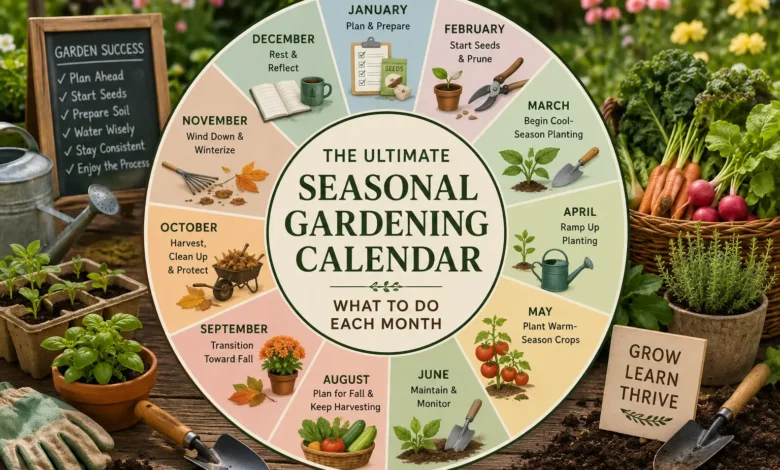
Knowing what to do in the garden each month takes most of the guesswork out of gardening. Rather than reacting to problems as they come up, a seasonal gardening calendar lets you plan ahead — starting seeds at the right time, prepping soil before it’s needed, and staying on top of maintenance before small issues become big ones. This guide walks through practical seasonal gardening tips for every month of the year, organized around a typical temperate climate growing season.
Because climates vary significantly by region, treat this calendar as a framework to adapt to your specific area rather than a rigid schedule. Your local average frost dates, easily found through a quick search for your city or zip code, or through your regional cooperative extension office, are the most reliable way to fine-tune the timing below for where you actually garden. For the broader fundamentals this calendar builds on, see our Complete Gardening Guide.
How to Use This Calendar
This calendar is built around two anchor points: your average last spring frost date and your average first fall frost date. Tasks described as happening “before your last frost” or “after your last frost” should be adjusted to your specific date rather than a fixed calendar month, since a last frost date in early March in a warm climate might not arrive until late May in a colder one. Where specific months are mentioned, they reflect a general temperate Northern Hemisphere climate and should be shifted earlier or later based on your own region and hardiness zone.
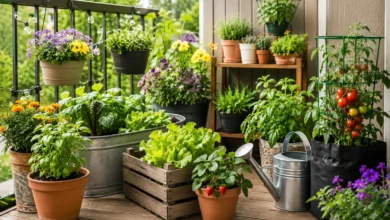
Also Read: Container Gardening: How to Grow a Thriving Garden in Small Spaces
January: Plan and Prepare
Deep winter is a quiet month in the garden itself, which makes it the ideal time for planning.
- Review last year’s garden. Note what performed well, what struggled, and what you’d change, while the details are still fresh.
- Order seeds early. Popular varieties can sell out by late winter, so ordering in January gives you the best selection.
- Plan your garden layout, including crop rotation if you’re growing vegetables, to avoid planting the same crop family in the same spot as last year.
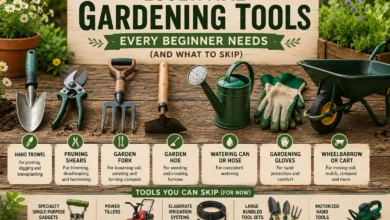
- Inventory and clean tools. Sharpen pruning shears, oil moving parts, and repair or replace anything worn out before the season’s demands begin.
- Start a garden journal if you don’t already keep one, logging planting dates, weather patterns, and results as the season unfolds. This becomes an increasingly valuable resource every year you keep it up.
February: Start Seeds and Prune Dormant Plants
As days start lengthening, it’s time to begin the earliest indoor seed-starting and take care of late-winter maintenance tasks.
- Start slow-growing seeds indoors, particularly onions, leeks, and celery, which need a long head start before transplanting outdoors after your last frost.
- Prune dormant fruit trees and shrubs while they’re still leafless, which makes it far easier to see the plant’s structure and remove dead, damaged, or crossing branches before spring growth begins.
- Test your soil if you haven’t already, so results are back in time to apply any recommended amendments before planting season arrives. See our soil testing guide for the full process.
- Check stored bulbs and dormant plants for signs of rot or excessive drying, and adjust storage conditions if needed.
March: Begin Cool-Season Planting
March marks the real start of the growing season for many climates, particularly for cold-tolerant crops.
- Start warm-season seeds indoors, including tomatoes and peppers, typically 6-8 weeks before your last frost date.
- Direct-sow the most cold-hardy crops outdoors once soil is workable, including peas, spinach, and radishes, all of which tolerate a light frost.
- Prepare garden beds by working in compost and clearing away winter debris, ideally once soil has dried out enough that it crumbles rather than sticks together when worked.
- Prune roses and summer-flowering shrubs before new growth fully emerges.
- Divide and transplant perennials that are just beginning to show new growth, while they’re still small and easier to handle.
April: Ramp Up Planting and Watch the Weather
April is typically one of the busiest months in the garden, balancing continued cool-season planting with preparation for the warm-season crops still to come.
- Continue succession planting of quick-growing cool-season crops like lettuce and radishes every couple of weeks for a staggered harvest rather than one large batch.
- Harden off indoor-started seedlings over 7-10 days before transplanting, gradually increasing their outdoor exposure so they aren’t shocked by full sun and wind.
- Watch the forecast closely for late frosts. A string of warm days can be misleading, and a late cold snap can still damage tender new growth, so keep row covers or frost cloth on hand through this transitional period.
- Apply mulch to newly planted beds to help retain moisture and suppress emerging weeds as temperatures rise.
- Begin regular pest monitoring as insect activity increases with warming temperatures.
May: Plant Warm-Season Crops
Once your last frost date has safely passed, May is typically the biggest planting window of the year for warm-season crops.
- Transplant warm-season vegetables — tomatoes, peppers, eggplant, and others started indoors earlier in the season — once nighttime temperatures are reliably staying above 50°F.
- Direct-sow warm-season crops that don’t transplant well, including beans, squash, cucumbers, and corn.
- Plant summer-flowering annuals and containers, since frost risk has passed in most temperate regions by this point.
- Set up support structures — trellises, cages, and stakes — for vining and top-heavy plants early, before they need it, since staking after a plant has sprawled can damage roots and stems.
- Begin a regular watering routine as temperatures rise and new transplants establish their root systems.
June: Maintain and Monitor
By June, most of the major planting is done, and the focus shifts to consistent maintenance through the height of the growing season.
- Water consistently, particularly for fruiting vegetables, which are especially sensitive to inconsistent watering during flowering and fruit development.
- Mulch any remaining bare soil to conserve moisture as temperatures climb.
- Stay on top of weeding while weeds are still small and easy to pull, before they compete significantly with your plants for water and nutrients.
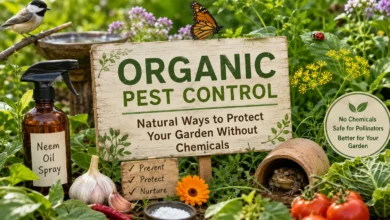
- Monitor for pests and disease regularly, addressing problems early with organic methods before they spread. Our guide to organic pest control covers natural treatment options in detail.
- Begin harvesting early crops like lettuce, peas, and radishes, and continue succession planting where space opens up.
July: Harvest and Manage Heat Stress
Mid-summer brings peak harvest for many crops alongside the challenge of managing heat and drought stress.
- Harvest regularly. Many vegetables, like zucchini and cucumbers, produce more when picked frequently, since leaving mature fruit on the plant signals it to slow down further production.
- Water deeply and early in the day to help plants cope with summer heat while minimizing evaporation loss and reducing the risk of fungal disease from evening moisture on leaves.
- Watch for heat stress, which can cause issues like blossom drop in tomatoes and peppers during extended periods of high temperatures — a normal, usually temporary response rather than a sign of a deeper problem.
- Start a second round of some cool-season crops in the second half of the month for a fall harvest, timed so they mature before your first fall frost.
- Continue pest monitoring, since populations of many common pests, including aphids and Japanese beetles, often peak in mid-summer.
August: Plan for Fall and Keep Harvesting
August combines continued summer harvest with an eye toward the fall garden.
- Continue fall crop planting, including quick-maturing greens, radishes, and depending on your climate, a second round of beans.
- Divide and transplant spring-flowering perennials as they finish their summer growth cycle.
- Order spring-flowering bulbs, like tulips and daffodils, for fall planting, since popular varieties can sell out before planting season arrives.
- Keep harvesting consistently, and consider preserving excess produce through freezing, canning, or drying if your harvest is outpacing what you can use fresh.
- Assess your garden’s performance so far, noting what’s thriving and what might need adjustment for the remainder of the season or next year.
September: Transition Toward Fall
As days shorten and temperatures begin to moderate, September is a transitional month bridging summer’s end and the fall garden.
- Plant fall and winter cover crops in beds that have finished producing for the season, to protect and enrich soil over the colder months ahead.
- Continue harvesting fall crops as they mature, and protect tender crops if an early frost threatens before they’re ready.
- Divide spring-blooming perennials and plant new perennials and shrubs, since cooler fall temperatures reduce transplant stress compared to summer planting.
- Clean up spent summer crops as they finish producing, reducing the amount of plant debris that can harbor pests and disease over winter.
- Plant spring-flowering bulbs once soil has cooled somewhat from summer highs, typically toward the end of the month in many regions.
October: Harvest, Clean Up, and Protect
October usually brings the first fall frosts in many temperate regions, marking a clear shift toward end-of-season tasks.
- Harvest remaining warm-season crops before frost, and note that some cool-season crops, like kale and Brussels sprouts, actually improve in flavor after a light frost.
- Clean up the garden thoroughly, removing spent plants and debris, since leftover material provides overwintering habitat for many common pests and diseases.
- Add a layer of compost or aged manure to beds finishing for the season, giving it time to integrate into the soil before spring planting.
- Plant garlic, which is typically planted in fall for harvest the following summer in most temperate climates.
- Protect tender perennials and containers from the season’s first hard frosts if you want to extend their display a bit longer.
November: Wind Down and Winterize
November is largely about closing out the growing season and preparing the garden for winter dormancy.
- Finish garden cleanup, clearing any remaining plant debris and adding a final layer of mulch to protect perennial roots through winter.
- Disconnect and drain hoses and irrigation systems before hard freezes to prevent damage.
- Bring tender container plants indoors or into a sheltered space if you’re in a climate with freezing winters, since containerized roots are more exposed to cold than in-ground roots.
- Clean and store tools properly, oiling metal parts to prevent rust over the winter months.
- Continue harvesting cold-hardy crops still in the ground, many of which can tolerate light frost and even improve in flavor from it.
December: Rest and Reflect
December is typically the quietest gardening month in cold climates, making it a good time for reflection and light planning.
- Review your garden journal from the past year, if you’ve kept one, and start thinking about what to change for the coming season.
- Check on stored bulbs, seeds, and dormant plants, addressing any issues with rot, drying out, or pest activity before they become bigger problems.
- Browse seed catalogs and start a rough plan for next year’s garden layout while there’s time to think it through without the pressure of an active growing season.
- Give tools a final check, making any repairs or replacements over winter downtime so everything’s ready when spring planting begins.
General Seasonal Gardening Tips That Apply Year-Round
Beyond the specific monthly tasks above, a few broader seasonal gardening tips help keep your garden on track no matter what month it is.
- Adjust for your specific climate, not just the calendar. A gardener in a warm climate may be planting warm-season crops while a colder-climate gardener is still weeks from their last frost. Use your local frost dates as the real anchor, treating monthly calendars as a general guide to adapt rather than follow rigidly.
- Keep a garden journal. Tracking what you planted, when, and how it performed builds a personalized reference that’s more valuable than any general calendar after just a season or two.
- Watch the weather, not just the date. An unusually warm or cool stretch can shift your actual planting window earlier or later than a typical calendar date would suggest.
- Stagger plantings where possible. Succession planting fast-growing crops every couple of weeks, rather than all at once, spreads your harvest out and reduces the risk of losing an entire crop to a single bad week of weather.
- Build in buffer time for major tasks. Bed preparation, hardening off transplants, and end-of-season cleanup all take longer than expected the first few times you do them — plan a bit of slack into your calendar rather than assuming everything happens exactly on schedule.
Frequently Asked Questions
How do I adjust this calendar for my specific climate?
Start with your local average last spring frost date and first fall frost date, both easily found through a search for your city or zip code, or your regional cooperative extension office. Shift the tasks in this calendar earlier or later relative to those two dates rather than the specific months listed, which are based on a general temperate climate.
What’s the most important month for garden planning?
Late winter, typically January or February depending on your climate, is the best time for planning, since it gives you time to order seeds, test soil, and map out your layout before the busy spring planting season arrives.
Do warmer climates follow a different seasonal gardening calendar?
Yes, significantly. Gardeners in warm or mild climates may have little to no true winter dormancy and can often grow cool-season crops through the winter months, while gardeners in hot summer climates sometimes plant a second cool-season round in early fall rather than relying solely on spring planting.
How far in advance should I start seeds indoors?
This varies by crop, but slow-growing crops like onions, leeks, and celery typically need 8-10 weeks before your last frost date, while tomatoes and peppers are usually started 6-8 weeks ahead. Always check the specific seed packet, since timing varies by variety.
What should I focus on if I only have time for one seasonal task per month?
If you can only manage one task, prioritize whichever keeps you closest to your planting and harvest windows — direct planting or transplanting during spring and early summer months, and cleanup and soil preparation during fall, since both have a narrower window than ongoing maintenance tasks like watering and weeding.
Final Thoughts
A seasonal gardening calendar isn’t about following a rigid schedule — it’s about understanding the general rhythm of the growing season so you can adapt it to your specific climate, plants, and goals. Use your local frost dates as your real anchor points, keep a journal to build your own personalized calendar over time, and treat the monthly breakdown above as a flexible guide rather than a fixed set of rules. With a season or two of practice, you’ll develop an intuitive sense for your garden’s rhythm that no calendar can fully capture on its own.
For more on the fundamentals that inform this calendar, revisit our Complete Gardening Guide, and for specific guidance on what to grow and when within the vegetable garden itself, see our guide to vegetable gardening for beginners.
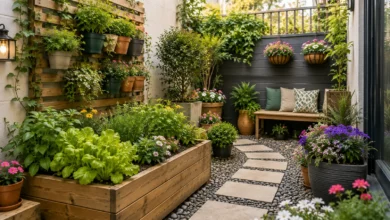
Also Read: 25 Mini Garden Ideas for Small Homes