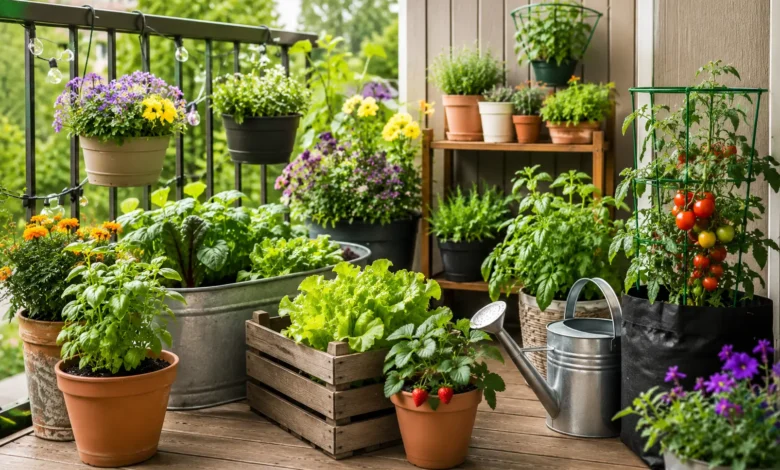
You don’t need a yard to grow a real garden. Container gardening lets you grow vegetables, flowers, and herbs in pots, boxes, and other portable vessels on a balcony, patio, porch, or even a sunny windowsill — no in-ground bed required. It’s one of the most flexible and beginner-friendly ways to start gardening, since you control every variable, from the soil to the sunlight exposure, rather than working around whatever conditions your yard happens to offer.
This guide covers everything you need for successful container gardening for beginners: choosing the right containers and soil, the best vegetables and flowers for container growing, how to garden in shade, and the maintenance habits that keep container plants thriving all season. For broader gardening fundamentals, see our Complete Gardening Guide, and for more small-space inspiration, check out our 25 mini garden ideas for small homes.
Why Container Gardening Works So Well
Container gardening solves several problems that trip up in-ground gardeners, which is part of why it’s such a popular entry point for people new to gardening.
- You control the soil completely. Poor native soil, whether it’s heavy clay, fast-draining sand, or contaminated urban soil, is a non-issue when you’re filling a container with quality potting mix from the start.
- You can chase the sun. Containers are portable, so if a spot turns out to be shadier than expected, you can move the pot rather than accepting reduced yields for the whole season.
- Drainage is easier to manage. With the right container and potting mix, waterlogging — one of the most common causes of plant failure in heavy garden soil — is far less likely.
- It fits any space. From a studio apartment balcony to a suburban patio, container gardening scales to whatever square footage you actually have.
- Pest and weed pressure tends to be lower. Elevated containers are somewhat more protected from ground-dwelling pests, and weed seeds have a much harder time establishing in fresh potting mix than in open garden soil.
Container Gardening for Beginners: The Essentials
If you’re brand new to gardening, container gardening is genuinely one of the most forgiving ways to start, as long as you get a handful of fundamentals right from day one.
Choosing the Right Container
Container material and size both matter more than most beginners expect.
- Size matters most. Undersized containers restrict root growth and dry out too quickly, which stresses plants and reduces yields. As a general rule, most vegetables need at least a five-gallon container, with larger plants like tomatoes and cucumbers benefiting from ten gallons or more.
- Drainage holes are non-negotiable. Without adequate drainage, water pools at the bottom of the container and roots sit in standing water, leading to root rot. If you love a decorative pot without drainage, use it as a cachepot around a properly draining nursery pot instead of planting directly into it.
- Material affects watering frequency. Unglazed terracotta is porous and dries out faster, which can be an advantage for plants that dislike wet feet but means more frequent watering. Plastic, resin, and glazed ceramic retain moisture longer, which can reduce watering frequency but increases the risk of overwatering if you’re not paying attention to soil moisture.
- Color matters in hot climates. Dark-colored containers absorb more heat, which can stress roots in intense summer sun. Lighter colors stay cooler and are worth considering for particularly hot, sunny spots.
Choosing the Right Potting Mix
This is one of the most common mistakes among beginners: using garden soil in a container. Garden soil compacts significantly in the confined space of a pot, restricting drainage and air circulation around roots. Always use a dedicated potting mix, which is formulated specifically for aeration and drainage in containers. For vegetables and heavy feeders, look for a potting mix that already includes compost or organic matter, or plan to amend a basic mix with compost yourself.
Watering Container Plants
Containers dry out considerably faster than in-ground beds, since roots are confined to a limited volume of soil that’s more exposed to sun and air. Check soil moisture daily during warm weather by inserting a finger an inch or two into the soil — if it’s dry at that depth, it’s time to water. Many container plants, especially in hot weather or smaller pots, need daily watering, and hanging or elevated containers dry out even faster due to increased air exposure.
Feeding Container Plants
Frequent watering flushes nutrients out of container soil faster than it would in garden soil, so container gardens typically need more consistent feeding than in-ground plantings. A slow-release organic fertilizer mixed into the potting soil at planting, supplemented with a diluted liquid fertilizer every couple of weeks during the growing season, keeps most container plants well-fed without the risk of over-fertilizing that comes with heavier, less frequent applications.
Container Gardening Ideas Beyond a Basic Pot
Once you’ve got the basics down, there’s a wide range of container gardening ideas worth exploring depending on your space and style.
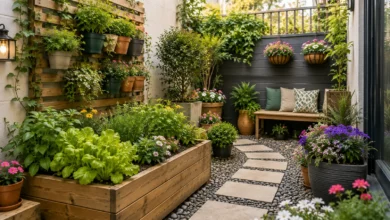
- Grouped container displays, combining pots of varying heights and plant types, create a fuller, more intentional look than scattered single pots and make efficient use of a small patio corner.
- Vertical container systems, like tiered planters or wall-mounted pockets, multiply your growing area without using more floor space — a particularly useful container gardening idea for balconies.
- Repurposed containers, from galvanized buckets to wooden crates, add character and are a budget-friendly, sustainable way to expand your growing space using materials you may already have on hand.
- Self-watering containers, which include a built-in water reservoir that wicks moisture up to the roots as needed, reduce watering frequency and are especially useful for anyone who travels or tends to forget daily watering.
- A themed container garden, like an all-herb collection for cooking, a pollinator-friendly flower mix, or a salsa garden combining tomatoes, peppers, cilantro, and onions, gives your container setup a clear purpose and makes planning easier.
The Best Vegetables for Container Gardening
Not every vegetable performs equally well in a pot, but a wide range genuinely thrives in containers, often producing yields comparable to in-ground growing when given the right container size and consistent care.
- Tomatoes, especially determinate, dwarf, or “patio” varieties bred specifically for container growing, are one of the most popular and reliable container vegetables. Standard varieties need a container of at least ten gallons and a sturdy cage or stake.
- Peppers stay relatively compact and do well in five- to ten-gallon containers, tolerating the heat that builds up in a container better than many other vegetables.
- Lettuce and other leafy greens have shallow root systems that suit even relatively shallow containers, and their fast growth cycle makes them a rewarding, low-risk choice for beginners.
- Radishes are among the fastest-maturing container vegetables, often ready to harvest within a month, and need only a modestly deep container since their roots stay compact.
- Bush beans perform well in containers around five gallons and, unlike pole varieties, don’t require staking, making them a lower-maintenance container option.
- Green onions and herbs like basil, chives, and parsley are naturally well suited to containers and are often grown that way even by gardeners with in-ground space available.
Also Read: Vegetable Gardening for Beginners: What to Plant and When
Cucumber Container Gardening
Cucumber container gardening deserves a specific mention, since cucumbers are more particular about container size and support than many other vegetables but are genuinely worth growing this way. Choose a compact, bush-type cucumber variety bred for container growing rather than a sprawling vining type, and use a container of at least five gallons, ideally larger. Provide a trellis or vertical support even for compact varieties, since training cucumber vines upward improves air circulation, reduces disease pressure, and keeps developing fruit off the soil. Cucumbers are heavy drinkers, so consistent watering — never allowing the container to fully dry out — is especially important for preventing bitter-tasting or misshapen fruit.
Container Gardening Flowers
Flowers are just as well suited to containers as vegetables, and container gardening flowers is one of the fastest ways to add color to a patio, balcony, or entryway without any in-ground planting.
- Petunias, marigolds, and zinnias are reliable, sun-loving choices that bloom prolifically through the growing season and tolerate the heat that builds up in containers.
- Geraniums are a classic container flower, valued for their long bloom period and tolerance of some drought stress if watering is occasionally inconsistent.
- Trailing plants like lobelia, verbena, and sweet potato vine spill attractively over the edges of hanging baskets and railing planters, softening the container’s edges.
- Perennial options, like compact varieties of coneflower or salvia, can be grown in larger containers for a display that returns year after year, though in colder climates, containerized perennials are more exposed to freezing temperatures than in-ground plants and may need extra winter protection or relocation to a sheltered spot.
- Combination plantings using the classic “thriller, filler, spiller” design approach — a tall, dramatic centerpiece plant, medium-sized filler plants around it, and trailing plants along the edge — create a professional-looking arrangement in a single pot.
Container Gardening in Shade
Not every space gets the six-plus hours of direct sun that most vegetables and sun-loving flowers need, and container gardening in shade is entirely possible with the right plant choices. Understanding your shade level matters here: light or partial shade generally means two to four hours of direct sun or consistent dappled light, while deep or full shade means little to no direct sun throughout the day.
Vegetables That Tolerate Shade
Leafy greens are the most shade-tolerant vegetable category. Lettuce, spinach, arugula, and kale can all produce reasonably well with as little as three to four hours of direct sun daily, though growth will be slower than in full sun. Herbs like mint, chives, and parsley also tolerate partial shade better than most fruiting vegetables.
Flowers for Shaded Containers
For container gardening in shade with flowers, look to impatiens, begonias, coleus (grown primarily for colorful foliage rather than blooms), and fuchsia, all of which are specifically suited to lower light conditions and can provide reliable color in a spot that wouldn’t support sun-loving annuals.
Making the Most of Limited Light
A few adjustments improve results in shaded container gardens: use light-colored containers and reflective surfaces nearby to bounce available light toward plants, avoid overwatering, since shaded soil retains moisture longer and dries out more slowly than soil in full sun, and set expectations for somewhat slower growth and smaller yields compared to a full-sun setup, which is normal rather than a sign something is wrong.
Common Container Gardening Mistakes to Avoid
- Choosing a container that’s too small. This is the single most common mistake, leading to root-bound plants, rapid drying, and stunted growth regardless of how well you otherwise care for the plant.
- Using garden soil instead of potting mix. Garden soil compacts in containers and drains poorly, suffocating roots over time.
- Underwatering in hot weather. Containers dry out fast, and inconsistent watering causes problems ranging from wilting to blossom end rot in tomatoes.
- Skipping regular feeding. Nutrients wash out of container soil with each watering, so container gardens need more frequent feeding than in-ground beds to sustain healthy growth.
- Ignoring drainage. A container without adequate drainage holes will develop waterlogged, oxygen-starved soil that most plants can’t tolerate for long.
- Overcrowding a single container. Just like in-ground plantings, container plants spaced too closely compete for light, water, and nutrients, and yields suffer as a result.
- Forgetting about winter protection for perennials. Containerized roots are more exposed to freezing temperatures than in-ground roots, so perennials in pots may need to be moved to a sheltered spot or insulated during winter in colder climates.
What You Need to Get Started
Container gardening has a genuinely low barrier to entry compared to building an in-ground bed. At minimum, you’ll need:
- Containers sized appropriately for what you’re growing, with drainage holes already in place or added yourself
- A quality potting mix, ideally one suited to the plants you’re growing (vegetable-specific mixes, for example, often include added compost)
- A watering can or hose with a gentle, adjustable nozzle, since container plants need frequent, consistent watering
- A basic organic fertilizer, whether slow-release granules mixed into the soil at planting or a liquid feed applied every couple of weeks
- Saucers or trays underneath containers to catch drainage runoff, particularly important on balconies, decks, or indoor spaces where excess water could cause damage
- A trellis, cage, or stakes for any vining or top-heavy plants, like tomatoes, cucumbers, or pole beans
Most beginners can put together a functional first container garden — a few pots, quality soil, and a handful of beginner-friendly plants — without a significant investment, and can expand gradually with additional containers, vertical structures, or self-watering systems as the garden proves itself worth the extra space and effort.
Can I really grow a full vegetable garden in containers?
Yes. With the right container sizes and a sunny enough location, container gardening can produce yields comparable to a small in-ground garden, particularly for compact and dwarf varieties bred specifically for container growing.
How often should I water container plants?
Most container plants need watering when the top inch or two of soil feels dry, which is often daily in hot weather and less frequently in cooler conditions. Checking soil moisture directly, rather than watering on a fixed schedule, is the most reliable approach.
What’s the best soil for container gardening?
A quality, well-draining potting mix formulated specifically for containers is best, ideally one that already includes compost or organic matter for vegetables and other heavy feeders. Avoid using straight garden soil, which compacts and drains poorly in a confined pot.
Can container gardening work in full shade?
Full, deep shade with no direct sun and minimal indirect light is challenging for most plants, including shade-tolerant ones. Partial shade, with at least two to four hours of direct or bright indirect light, supports a reasonable range of leafy greens and shade-tolerant flowers.
Do container vegetables taste different from in-ground vegetables?
No — flavor comes down to variety, ripeness, and growing conditions like sunlight and consistent watering, not whether the plant was grown in a container or directly in the ground. A well-cared-for container tomato tastes just as good as an in-ground one.
Final Thoughts
Container gardening removes most of the barriers that keep people from gardening in the first place — no yard, poor soil, or a rented space you can’t permanently alter. With the right container size, a quality potting mix, and consistent watering and feeding, you can grow a genuinely productive mix of vegetables, herbs, and flowers on a balcony, patio, or windowsill. Start small with a few containers suited to your available light, whether that’s a sunny spot for tomatoes and cucumbers or a shadier corner for leafy greens and impatiens, and expand as you get comfortable with the rhythm of container care.
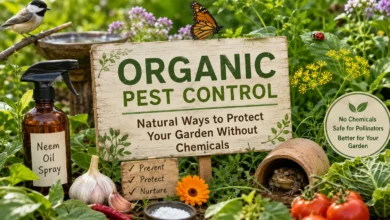
For more on the fundamentals that apply across every growing method, revisit our Complete Gardening Guide, and for pest-related questions specific to container plants, see our guide to organic pest control.