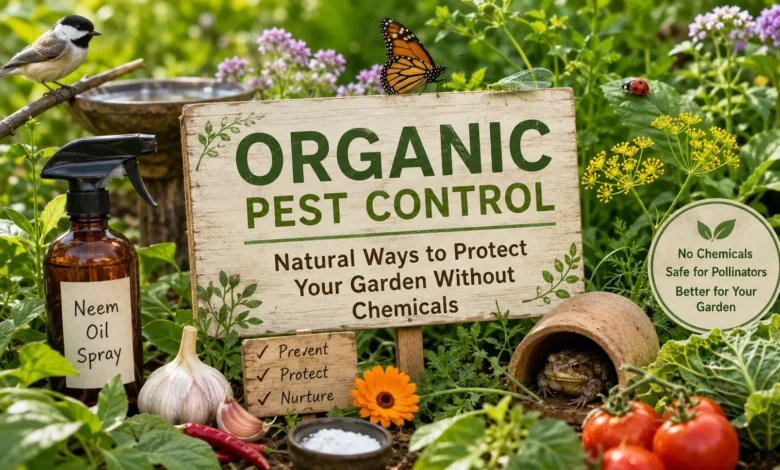
Every garden deals with pests eventually — it’s not a sign you’re doing something wrong, it’s simply part of growing anything outdoors. The goal isn’t a completely pest-free garden, which isn’t realistic or even desirable, but a resilient one that can handle some pest pressure without major damage. Organic pest control for garden spaces focuses on prevention, encouraging natural predators, and reaching for the least invasive solution first, reserving stronger interventions for when they’re genuinely needed.
This guide walks through a complete, chemical-free approach to keeping pests in check, from prevention strategies that stop problems before they start to specific natural treatments for common garden pests. For general garden fundamentals, see our Complete Gardening Guide, and for pest issues specific to container plants, our guide to container gardening covers a few extra considerations.
Why Go Organic With Pest Control
Synthetic pesticides can offer fast results, but they come with real trade-offs that make organic pest control for garden and home spaces worth the extra effort for many gardeners.
- Broad-spectrum chemical pesticides kill beneficial insects too, including the pollinators your garden depends on and the predatory insects that would otherwise keep pest populations in check naturally.
- Chemical residues can end up on food you’re growing to eat, which is a particular concern for edible gardens close to harvest time.
- Runoff from synthetic pesticides can contaminate local waterways, affecting aquatic life and water quality well beyond your own yard.
- Pests can develop resistance to repeated chemical treatments over time, sometimes making the problem worse in the long run.
- Organic methods tend to work with your garden’s ecosystem rather than against it, building a more balanced, self-regulating environment that needs less intervention as it matures.
None of this means organic pest control is instant or effortless — it typically works more gradually than a chemical spray — but for most home gardens, the trade-off is well worth it, especially for anyone growing food.
Start With Prevention
The most effective organic pest control happens before pests ever become a problem. A healthy, well-managed garden is naturally more resistant to serious pest damage than a stressed one.
Build Healthy Soil
Plants growing in nutrient-poor or compacted soil are more vulnerable to pest and disease pressure, since stressed plants produce weaker natural defenses. Regular compost additions and proper soil testing to correct deficiencies go a long way toward building plants that can better withstand pest pressure on their own. Our guide on testing and improving your garden soil covers this in detail.
Choose Resistant Varieties
Many vegetable and flower varieties are bred specifically for resistance to common pests and diseases. Checking plant tags or seed packet descriptions for resistance ratings before you buy is a simple, no-cost way to reduce pest problems before they start.
Rotate Your Crops
Planting the same crop family in the same spot year after year allows pests specific to that family to build up in the soil over successive seasons. Rotating crop families through different garden areas each year disrupts this cycle and keeps pest populations from establishing a permanent foothold.
Keep the Garden Clean
Fallen leaves, dead plant material, and garden debris provide shelter for overwintering pests and disease spores. Regular cleanup, especially at the end of the growing season, removes hiding spots and interrupts pest life cycles before they can carry over into the next year.
Inspect Plants Regularly
Walking through your garden every few days and actually looking closely at leaves, stems, and the undersides of foliage lets you catch pest problems while they’re still small and easy to manage, rather than after they’ve spread across multiple plants.
Use Physical Barriers
Floating row covers — lightweight fabric draped directly over plants — physically block many common pests, like cabbage moths and flea beetles, from ever reaching your plants, while still allowing light, air, and water through. Copper tape around raised beds can deter slugs and snails, and fine mesh netting protects fruiting plants from birds without any chemical involved.
Encourage Natural Predators
One of the most effective long-term organic pest control strategies is simply making your garden attractive to the insects, birds, and other creatures that eat common garden pests for you.
Beneficial Insects
Ladybugs and their larvae, lacewings, and parasitic wasps all prey heavily on common pests like aphids, mites, and caterpillars. You can attract these beneficial insects naturally by planting flowers they’re drawn to — dill, fennel, yarrow, alyssum, and cosmos are all reliable choices — interspersed throughout your vegetable garden rather than segregated into a separate flower bed.
Birds
Many backyard birds eat significant numbers of caterpillars, beetles, and other garden pests. A birdbath, a few well-placed perches, or a bird feeder positioned near, but not directly on top of, vulnerable plants can encourage birds to patrol your garden regularly.
Other Natural Predators
Toads, frogs, and even some spiders are effective pest predators that are easy to overlook. A small water feature or a strategically placed “toad house” — often just an overturned clay pot with an entrance chipped into the rim — can encourage these predators to take up residence.
Natural Treatments for Common Garden Pests
When prevention and natural predators aren’t quite enough, a range of organic treatments can address specific pest problems without resorting to synthetic chemicals. Always identify the specific pest before treating, since a solution for aphids won’t help with a caterpillar or fungal problem, and vice versa.
Aphids
Small, soft-bodied insects that cluster on new growth and the undersides of leaves, aphids are one of the most common garden pests. A strong blast of water from a hose dislodges many aphids effectively for minor infestations. For more persistent problems, insecticidal soap — a specifically formulated soap solution that disrupts the pests’ cell membranes on contact — is an effective, low-toxicity option that breaks down quickly and has minimal impact on beneficial insects once dry.
Caterpillars and Cabbage Worms
Hand-picking caterpillars off plants is tedious but genuinely effective for small infestations, especially checking the undersides of leaves where they often hide. For larger populations, Bacillus thuringiensis (commonly sold as Bt) is a naturally occurring soil bacterium that specifically targets caterpillars without harming beneficial insects, pets, or people, making it one of the safer, more targeted organic treatments available.
Slugs and Snails
These pests thrive in damp conditions and are most active at night. Beer traps — shallow containers of beer sunk into the soil at ground level — attract and drown slugs effectively. Diatomaceous earth, a powder made from fossilized algae, creates a barrier that’s sharp at a microscopic level and deters soft-bodied pests like slugs from crossing it, though it needs to be reapplied after rain.
Spider Mites
Tiny pests that thrive in hot, dry conditions and cause a stippled, dusty appearance on leaves, spider mites can often be controlled by simply increasing humidity around affected plants and spraying leaves (including undersides) with water regularly. For more established infestations, neem oil, an extract from the neem tree with natural insecticidal and antifungal properties, is an effective and widely available organic treatment.
Japanese Beetles
These metallic, destructive beetles skeletonize leaves and are notoriously difficult to control. Hand-picking beetles into a bucket of soapy water in the early morning, when they’re less active, is surprisingly effective for smaller populations. Milky spore, a naturally occurring bacterium applied to lawns, targets beetle grubs in the soil before they mature, offering longer-term control over successive seasons.
Squash Bugs and Squash Vine Borers
Common on squash and pumpkin plants, these pests are best managed through prevention: checking the undersides of leaves regularly for egg clusters and removing them by hand, and using floating row covers early in the season before flowering (removing them once plants flower so pollinators can access the blooms).
Whiteflies
These small, moth-like insects cluster on the undersides of leaves and scatter in a small cloud when disturbed. Yellow sticky traps placed near affected plants catch adult whiteflies effectively and also help you monitor population size. Insecticidal soap or neem oil applied directly to the undersides of leaves, where whiteflies feed and lay eggs, addresses both adults and developing nymphs.
Tomato Hornworms
Large, green caterpillars that can strip a tomato plant of foliage remarkably quickly, hornworms are surprisingly well camouflaged despite their size. Hand-picking is effective once you spot them, and checking plants in the early morning or evening, when the light angle makes their silhouette easier to spot, helps. Bt is also effective against hornworms, as with other caterpillar pests, and interestingly, hornworms parasitized by beneficial braconid wasps (visible as small white cocoons on their backs) should be left in place, since the wasps will continue controlling the hornworm population naturally.
Also Read: Vegetable Gardening for Beginners: What to Plant and When
Several effective treatments can be made at home from common household ingredients, offering a low-cost, accessible option for the best organic pest control for home gardens.
- Neem oil spray: Diluted neem oil, mixed with a small amount of dish soap to help it bind to plant surfaces, is effective against a wide range of soft-bodied pests and also has some antifungal properties. Apply in the evening to avoid harming pollinators, which are less active at that time.
- Insecticidal soap spray: A simple mixture of mild liquid soap and water, applied directly to pests, disrupts their outer membranes on contact. It’s most effective against soft-bodied pests like aphids and mites and breaks down quickly, leaving minimal residue.
- Garlic and chili pepper spray: A strained mixture of blended garlic, chili pepper, and water creates a spray that many pests find repellent, though effectiveness varies and it needs frequent reapplication, especially after rain.
- Diatomaceous earth: Food-grade diatomaceous earth dusted around the base of plants deters crawling pests like slugs, ants, and some beetles through physical rather than chemical action.
Always test any homemade spray on a small area of a plant first and apply in the evening rather than during the heat of the day or when pollinators are active, since even organic treatments can stress plants or harm beneficial insects if misapplied.
Also Read: 25 Mini Garden Ideas for Small Homes
Organic Pest Control Around the Home, Not Just the Garden
Pest pressure doesn’t stop at the garden fence, and many gardeners look for the best organic pest control for home use around the foundation, porch, and entry points as well. The same core principles apply: prevention first, natural deterrents next, and targeted treatment only where needed.
- Seal obvious entry points around windows, doors, and utility lines, which prevents many pests from getting inside in the first place without any product needed at all.
- Keep mulch and dense plantings a few inches away from the foundation, since these create a moisture-rich environment that many pests, including ants and some beetles, are drawn to.
- Diatomaceous earth works as well along baseboards and entry points indoors as it does in garden beds, offering a non-toxic barrier against crawling insects.
- Essential oil-based repellents, particularly peppermint and eucalyptus, are commonly used around entry points as a natural deterrent for ants and spiders, though they typically need frequent reapplication to remain effective.
- Address moisture issues, like leaking pipes or poor drainage near the foundation, since damp conditions attract a disproportionate share of common household pests.
Building a Seasonal Pest Management Routine
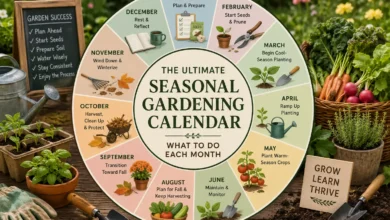
Organic pest control works best as an ongoing routine rather than a one-time reaction to a problem. A simple seasonal rhythm helps keep pest pressure manageable throughout the year.
- Early spring: Clean up any remaining debris from the previous season, apply preventive measures like row covers before pests become active, and start attracting beneficial insects by planting early-blooming companion flowers.
- Late spring through summer: Inspect plants regularly, ideally every few days, since this is when most pest populations build quickly in warm weather. Address problems early, while hand-picking and targeted spot treatments are still sufficient, rather than waiting until an infestation has spread.
- Late summer: Watch closely for pests that peak later in the season, like squash vine borers and Japanese beetles, and continue monitoring even as harvest slows down, since untreated late-season pests can carry over into next year.
- Fall: Thorough garden cleanup is especially important here, since many pests overwinter in leftover plant debris. Removing spent plants promptly and turning under or composting healthy plant material (while discarding diseased material separately) reduces the pest and disease load your garden carries into the following spring.
- Treating before identifying the actual pest. Applying the wrong treatment wastes time and doesn’t address the real problem. Take the time to correctly identify what you’re dealing with first.
- Spraying during the day when pollinators are active. Even organic treatments like neem oil and insecticidal soap can harm bees and other pollinators on contact. Apply treatments in the early morning or evening instead.
- Expecting instant results. Organic methods generally work more gradually than synthetic chemicals. Give a treatment several applications over one to two weeks before concluding it isn’t working.
- Ignoring prevention in favor of treatment. Reactive pest control is far more work than proactive prevention through healthy soil, crop rotation, and encouraging natural predators.
- Overusing even organic treatments. More frequent applications than necessary can still disrupt beneficial insect populations and stress plants. Use the minimum effective treatment and monitor before reapplying.
Frequently Asked Questions
Is organic pest control as effective as chemical pesticides?
For most home garden situations, yes, though it typically works more gradually and often requires a combination of approaches (prevention, natural predators, and targeted treatment) rather than a single spray. Severe, established infestations may take longer to fully resolve organically than with a synthetic chemical.
What is the best organic pest control for home vegetable gardens specifically?
There’s no single best option, since it depends on the specific pest, but neem oil and insecticidal soap cover a wide range of common soft-bodied pests, while Bacillus thuringiensis (Bt) is highly effective and targeted for caterpillar pests specifically, without harming beneficial insects.
Are homemade pest control sprays safe for edible plants?
Generally yes, when made and applied correctly, though it’s still worth rinsing produce before eating and avoiding spraying directly on parts of the plant you’ll harvest and eat soon afterward, particularly with stronger treatments like garlic or chili sprays.
How do I attract more beneficial insects to my garden?
Planting a diverse mix of flowering plants, especially those in the daisy and carrot families like yarrow, dill, and cosmos, alongside your vegetables provides food and habitat for beneficial insects, encouraging them to stick around and patrol for pests.
Can organic pest control fully eliminate garden pests?
Not entirely, and that’s not really the goal. A healthy garden ecosystem includes some level of pest presence, which in turn supports the beneficial predators that keep populations in check. The aim of organic pest control is manageable balance, not complete eradication.
Final Thoughts
Effective organic pest control for garden spaces comes down to a layered approach: build healthy soil and choose resistant varieties, encourage the natural predators that do a lot of the work for you, use physical barriers and good garden hygiene to prevent problems before they start, and reach for targeted, natural treatments only when needed. This approach takes a bit more patience than reaching for a chemical spray, but it builds a garden that’s genuinely more resilient over time, protects the pollinators and beneficial insects your garden depends on, and keeps your food and outdoor space free of synthetic chemical residue.
For more on building the kind of healthy, resilient garden that naturally resists pest pressure in the first place, revisit our Complete Gardening Guide and our guide to testing and improving your garden soil.